Mini Chainsaw Safety Tips: Lessons I Learned the Hard Way
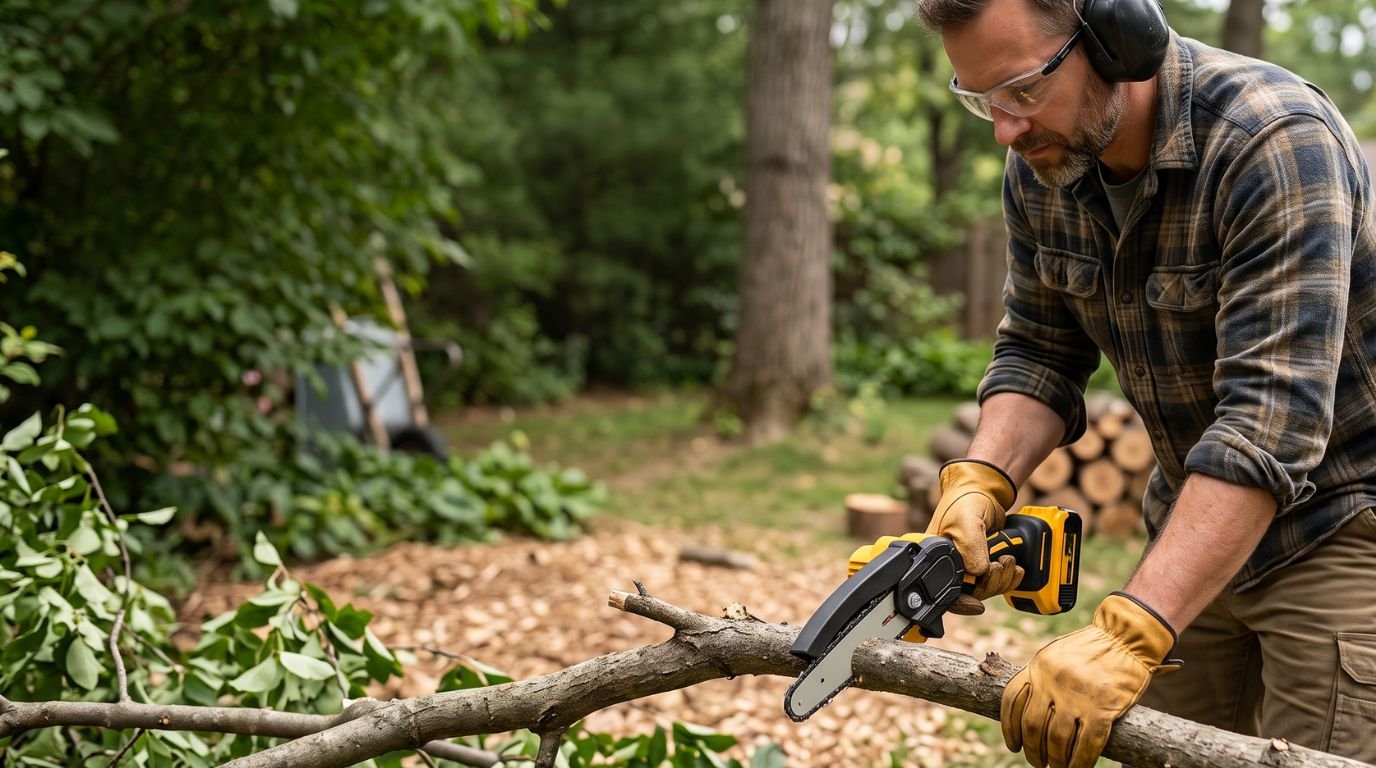
When I first bought a battery-powered pruner for my backyard, I thought it was basically a fancy electric carving knife. I quickly realized that ignoring basic mini chainsaw safety tips is a great way to ruin your weekend with a trip to the emergency room. These little tools are incredibly powerful, and they demand just as much respect as their full-sized gas cousins.
In this guide, I want to share the practical lessons, scary moments, and downright embarrassing mistakes I made when I first started using mine. You will learn exactly how to handle, maintain, and cut with these tools safely, without needing to be a professional lumberjack.
Why We Underestimate These Tiny Saws
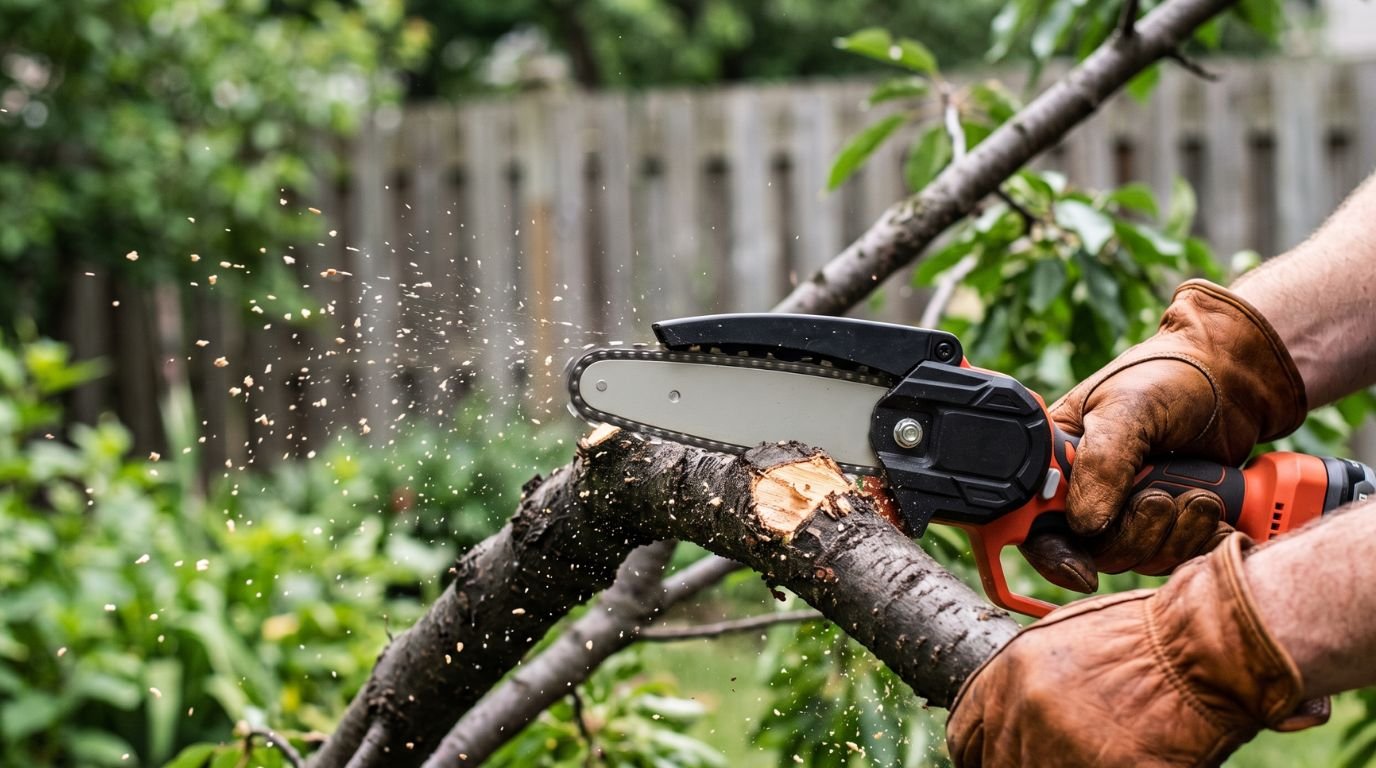
Most of us buy these tools because they look so approachable. They are lightweight, quiet, and easy to store on a garage shelf.
The “Toy” Illusion
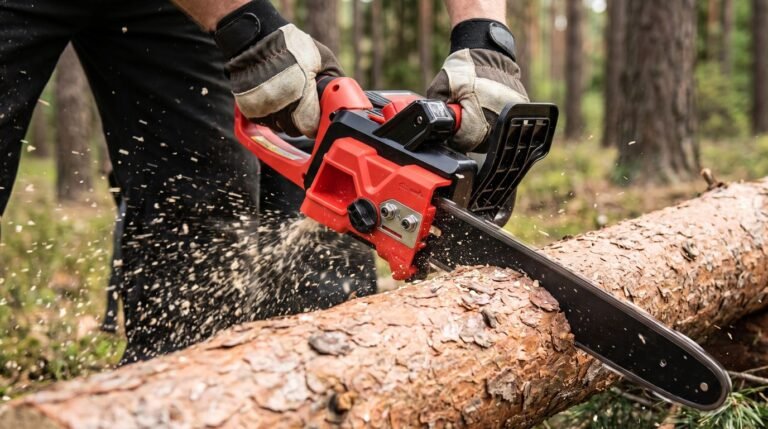
I remember pulling my saw out of the box with one hand. It felt incredibly light. That false sense of security is your biggest enemy out in the yard. Because it feels like a toy, you start cutting one-handed while holding the branch with your other hand. This is a huge mistake I made on day one. I was pruning a small maple tree, holding a branch near the blade. The saw jumped, and I missed my knuckles by an inch. I learned right then to stop treating it like a gadget.
| Mistake | Better Approach |
| Treating it like heavy scissors | Treating it like a real power tool |
| Holding branches near the blade | Keeping hands far away from the cut |
| Ignoring the kickback risk | Understanding the nose of the bar is dangerous |
Core Mini Chainsaw Safety Tips Before You Cut
Before the blade ever touches wood, you need to prep your tool and your body. I used to skip this step because I was in a rush, and it almost cost me a tool and an injury.
Getting Your Chain Tension Right
A loose chain is a dangerous chain. During my first week of clearing brush, my chain popped right off the guide bar mid-cut. It whipped around and smacked the plastic safety guard. I was incredibly lucky it did not hit my hand.
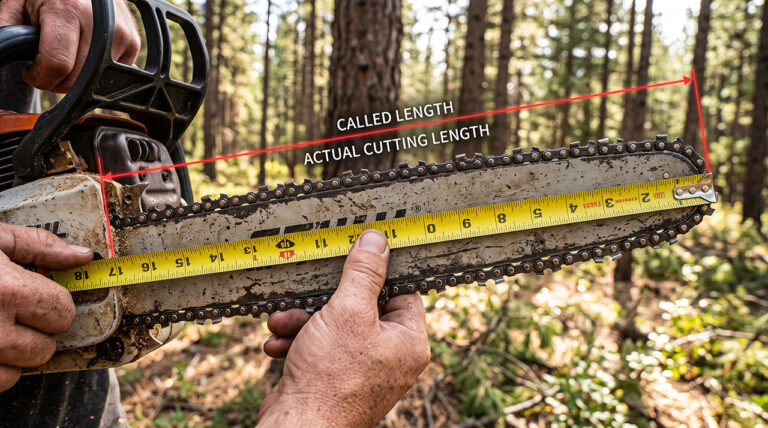
You want the chain snug but not completely tight. You should be able to pull it slightly away from the bar with your fingers, but it should snap right back into place. Always check this before every single use. As the chain heats up during cutting, it will stretch. I check my tension every ten minutes now.
| Issue | Troubleshooting Step |
| Chain sags below the bar | Loosen nut, turn tension screw clockwise, retighten |
| Chain won’t pull by hand | Loosen the tension screw slightly; do not over-tighten |
| Chain pops off frequently | Check for guide bar damage and adjust tension often |
The Protective Gear You Actually Need
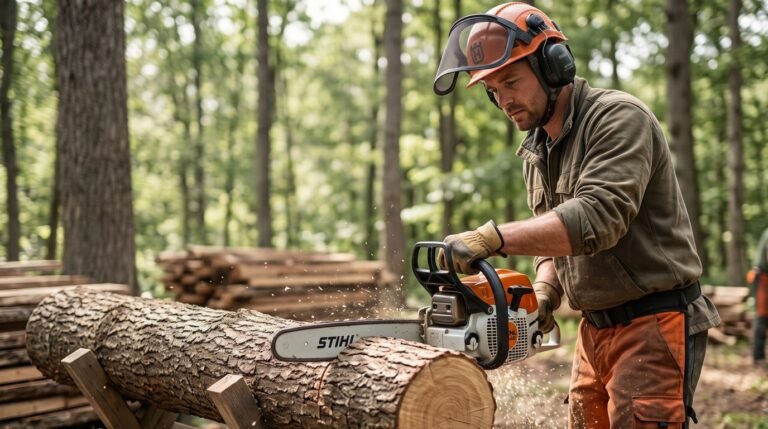
You do not need steel-toed boots and heavy logging chaps to prune a lemon tree. But you do need basic protection. I learned this after getting a face full of dry sawdust.
More info How to Use a Chainsaw
Eye Protection is Non-Negotiable
Wood chips fly incredibly fast off these small chains. A tiny speck of bark in your eye will make you flinch and drop a running saw. Just wear safety glasses. It is the easiest habit to build. I keep a cheap pair of clear glasses right next to my saw battery so I never forget them.
Gloves Prevent Scrapes and Slips
I tried cutting bare-handed once because it was hot outside. My hands got sweaty, the plastic grip slipped, and my knuckles scraped against some nasty rose thorns. Now, I always wear snug-fitting leather work gloves. They give me a solid grip on the handle and protect my hands from the wood itself.
| Gear | Reason You Need It |
| Safety Glasses | Stops fast-moving wood chips from hitting your eyes |
| Leather Gloves | Improves grip and protects against thorns and rough bark |
| Long Sleeves | Prevents scratches from branches falling on your arms |
Safe Cutting Techniques in the Yard
Knowing how to cut is just as important as knowing what you are cutting. I broke a few chains trying to rush through thick branches.
Understanding the Kickback Zone
Kickback happens when the upper tip of the chainsaw bar hits something hard. The saw violently jerks back toward your face. Mini chainsaws have top guards, but they can still kick if you are not careful.
Never cut with the very tip of the blade. Always let the base of the blade, closer to the motor, do the heavy lifting. I once tried to poke the tip of the saw into a tight cluster of branches. The saw kicked back hard, jarring my wrist. Now, I only use the bottom edge of the chain.
The One-Handed Trap
These saws are marketed as one-handed tools. That is technically true for holding the saw, but it does not mean your other hand should be right next to the blade.
I caught myself holding a branch with my left hand and cutting it two inches away with my right. If the saw had slipped, I would have cut my fingers badly. Always keep your free hand behind your body or securely holding the main trunk of the tree, far away from the cutting zone.
| Scenario | Recommendation |
| Cutting a thick, heavy branch | Cut slightly from the bottom first, then finish from the top |
| Pruning tight, messy bushes | Clear smaller twigs away first so you can clearly see your cut |
| Dealing with springy branches | Cut slowly and be ready for the branch to snap back |
Avoiding the Dreaded Pinch
Pinching happens when the wood closes in on your saw blade while you are making a cut. The saw gets completely stuck, and pulling on it while holding the trigger will ruin your motor quickly.
How to Prevent Binding
I ruined a fresh chain by getting my saw stuck in a thick oak branch. The branch drooped down, trapping the blade in the middle of the cut. I yanked the saw out in frustration, bending the metal bar.
To avoid this, think about gravity. Which way will the branch naturally fall? Always cut so the wood opens up as it drops. If you guess wrong and the wood pinches the blade, stop the saw immediately. Take your finger off the trigger. Wiggle the saw out gently, or use a hand saw to finish the cut and free your tool.
Dealing with Different Types of Wood Safely
Not all wood cuts the same. Treating an old dead branch the same as a fresh green shoot will get you into trouble.
Softwood vs Hardwood Challenges
Pine and cedar are soft. The saw will glide right through them. But hardwood like oak or cherry requires patience. I tried to force my mini saw through a thick piece of dry oak. The motor whined, overheated, and shut off.
Let the tool do the work. Do not push down hard on the saw. If you have to force it, your chain is dull or the wood is too hard for the tool. Just rest the blade on the wood and let the spinning teeth pull their way through.
The Danger of Dead Branches
Dead wood is brittle and unpredictable. When you cut a dead branch, it does not slowly bend. It snaps suddenly. I was cutting a dead limb above my head once. It snapped early and fell right onto my shoulder. Never cut directly above your head. Always keep the saw below shoulder level so you have total control if the wood breaks early.
Battery Safety and Maintenance Realities
We often forget that battery safety is just as critical as blade safety. Lithium-ion batteries pack a serious punch and need to be handled correctly.
The Golden Rule of Adjustments
Never touch the chain with the battery attached. Ever. I used to poke at the chain to check the tension while the battery was still clicked into the handle.
One accidental bump of the safety button and the trigger, and things could have gone very wrong. Pop the battery out before you clear jammed wood, add oil, or tighten the chain. It takes two seconds and totally guarantees your safety. I do this automatically now without even thinking about it.
| Safe Habit | Why It Matters |
| Remove battery before cleaning | Prevents accidental trigger pulls while fingers are on the blade |
| Store battery indoors | Extreme heat or cold ruins battery life and can cause swelling |
| Charge only when cool | Charging a hot battery straight from the yard can damage the cells |
Keeping the Tool Running Safely
A poorly maintained saw is a dangerous saw. Heat and friction are your worst enemies out in the yard, and ignoring them will break your tool.
The Importance of Bar Oil
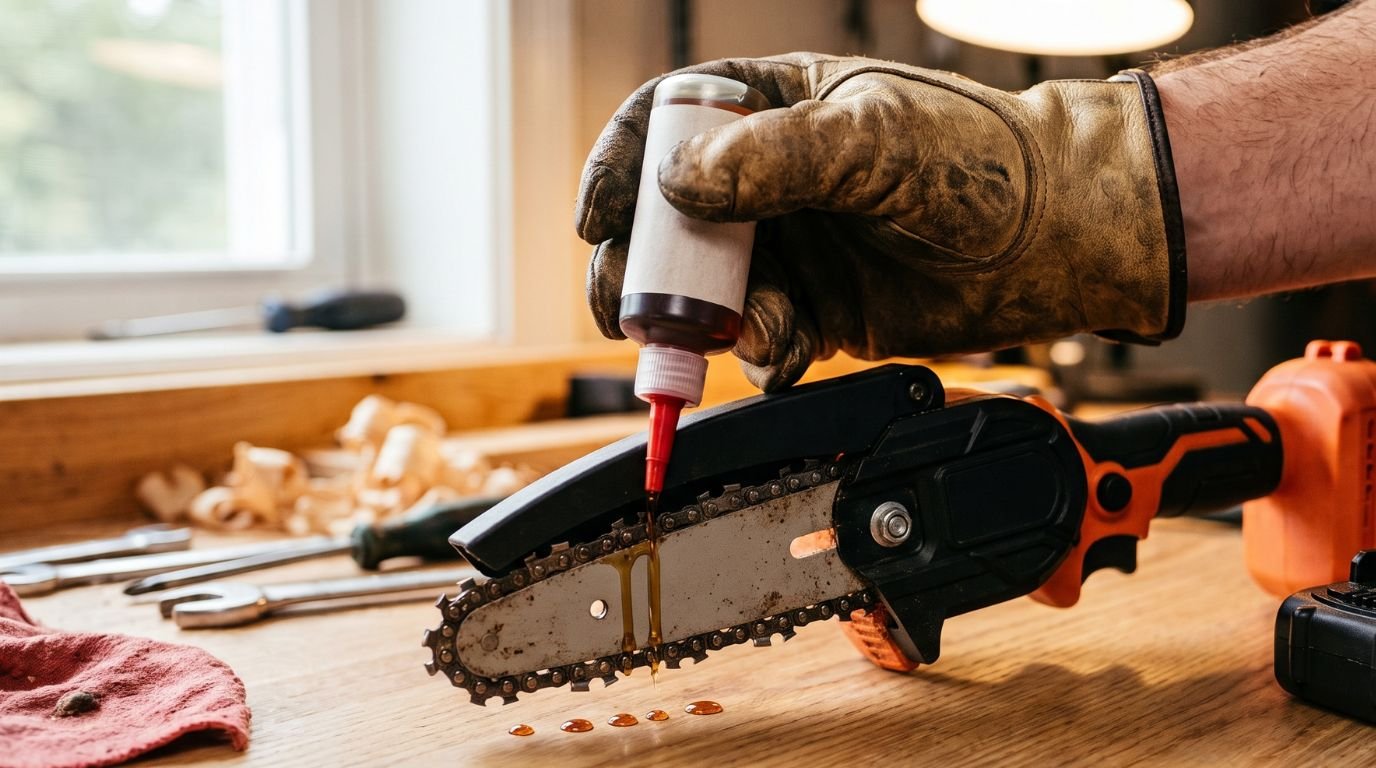
Many mini models do not have automatic oilers built in. I completely ignored this for my first few weeks. My chain got so hot it started smoking, turned blue, and stretched out completely.
Now, I keep a small bottle of real bar and chain oil in my pocket. Every ten minutes of cutting, I pop the battery out and squirt a few drops directly onto the chain. It keeps the cuts smooth, stops the motor from working too hard, and prevents the chain from snapping.
| Myth | Reality |
| Mini saws don’t need oil | Without oil, chains overheat, stretch, and snap quickly |
| Chains stay sharp forever | Dirt and hard wood dull chains; you must replace or sharpen them |
| Any oil works fine | Use actual bar and chain oil; motor oil flings off too easily |
What to Do When the Saw Jams
Jams will happen, no matter how careful you are. Small twigs get sucked into the sprocket area and stop the chain dead in its tracks.
Safe Unjamming Protocols
My first instinct when the saw jammed was to pull the trigger harder to force the debris out. Do not do this. You will burn out the motor or snap the chain.
When you hear the motor hum but the chain stops, let go of the trigger instantly. Remove the battery. Take off the side cover using the wrench that came with your saw. Pull the stuck twigs out by hand, put the cover back on, re-tension the chain, and put the battery back in. It is slightly annoying, but it saves your saw.
Safe Storage After the Job is Done
Tossing a dirty saw into a toolbox is a bad idea. Wood sap and sawdust turn into concrete if you leave them sitting on the chain.
Cleaning the Saw
After every session, I take the battery out and brush the sawdust off the tool. I use an old toothbrush to clean around the sprocket. If you leave wet sawdust inside the plastic housing, it traps moisture and rusts the chain. I wipe a thin layer of oil over the chain before hanging it up so it is ready for next time.
Keeping it Away from Kids
Because these saws look like toys, kids are naturally drawn to them. I never store the saw with the battery attached. I keep the bare tool on a high hook in the garage, and I store the battery inside the house on my charging station. This ensures the tool is completely dead and harmless if small hands ever find it.
Final Thoughts
Learning these mini chainsaw safety tips completely changed how I tackle my yard work. I went from feeling nervous and making silly mistakes to confidently pruning my trees without worry. The biggest lesson for me was simply slowing down and respecting the tool, no matter how small it looks.
If you keep your chain tight, wear your safety glasses, and always keep your free hand out of the way, you will get years of safe use out of your saw. They are brilliant little machines, as long as you remember they are real power tools. Take your time, maintain your gear, and happy pruning!