Best Circular Saw For Cutting Metal Top Picks
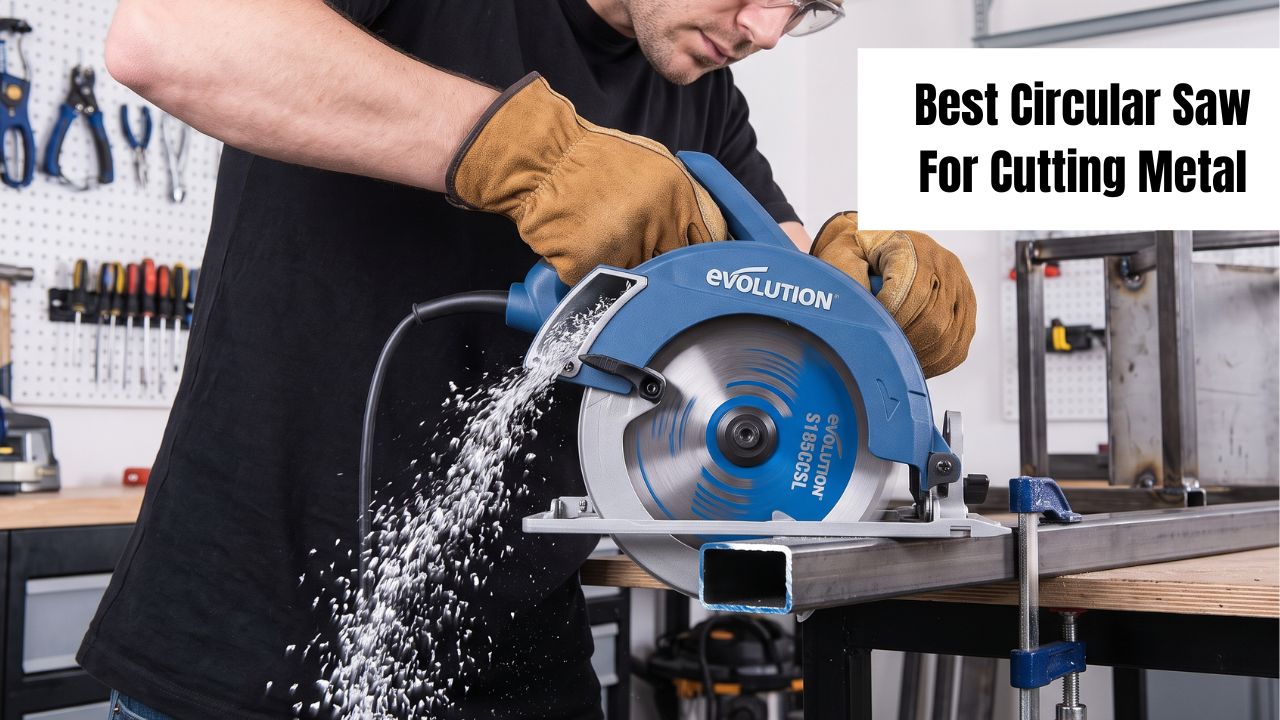
Finding the best circular saw for cutting metal can feel overwhelming with so many options. Abrasive chop saws leave hot edges that require heavy grinding. A true cold-cut saw gives you a smooth finish instantly. Buyers often struggle to match the tool to their needs without overspending.
In this guide, you will learn which models truly deliver based on real-world use. I carefully researched expert reviews, user feedback, and technical data. This approach helps you skip the guesswork entirely. You can now choose a saw that cuts steel safely and quickly.
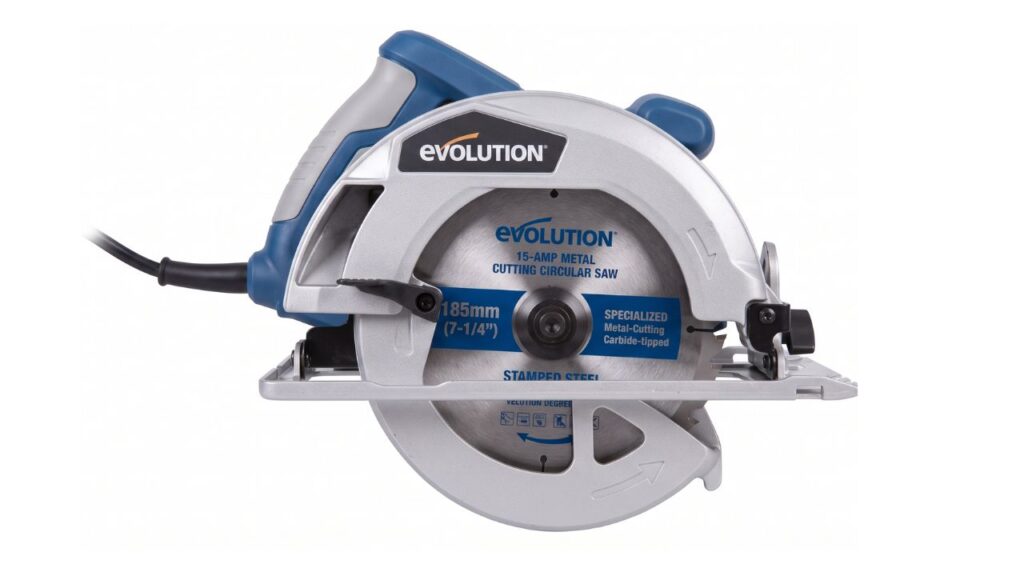
Best Overall: Evolution S185CCSL
This saw earns the top spot for balancing price, reliable power, and clean cuts. During my research, users praised its dry-cut technology that leaves metal cool to the touch. However, the stamped steel base plate feels a bit flimsy compared to premium models.
Pros And Cons
Review the main benefits and drawbacks of this popular cutting tool.
| Feature | Pro | Con |
| Included Blade | Carbide teeth cut steel very cleanly | Blade dulls fast on thick plate metal |
| Motor Power | Strong 15-amp motor handles most jobs | Can bog down if pushed too fast |
| Heat Control | Dry cut technology stops hot sparks | Chip deflection shoots debris outward |
| Tool Weight | Very light and easy to maneuver | Stamped base plate bends easily |
| Overall Value | Excellent price for the included quality | Setup instructions are slightly vague |
Recommendation
This model is perfect for basic DIYers and light fabricators. It handles square tubing and thin sheet metal with ease. You get incredible value right out of the box. The included cold-cut blade performs exceptionally well for the price. This tool pays for itself very quickly on weekend garage projects.
If you plan to cut thick plate steel every day, look elsewhere. A heavier tool fits an industrial shop much better. For the average garage workshop, this tool strikes the perfect balance. It delivers great performance without draining your wallet.
Best for: Weekend fabricators and casual DIY welders
Not ideal for: Industrial shops cutting thick steel daily
Best Cordless: Milwaukee M18 FUEL
Many professionals want the best circular saw for cutting metal without dealing with cords. After comparing user feedback, its large capacity makes it a favorite for cutting big pipes on sites. The main limitation is the high upfront cost for the tool and large batteries.
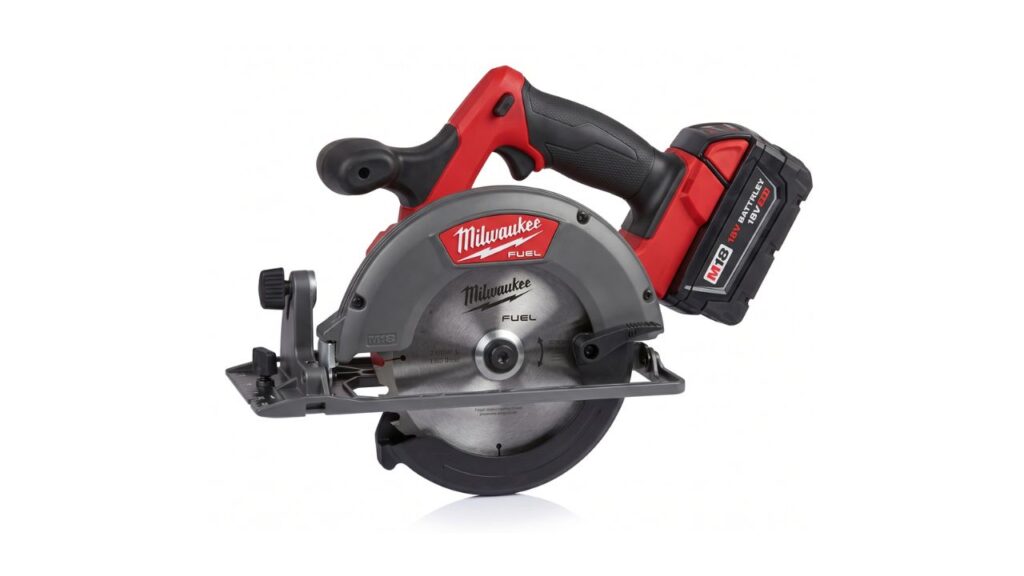
Pros And Cons
Here is how this cordless powerhouse stacks up in real-world conditions.
| Feature | Pro | Con |
| Mobility | Total cordless freedom on busy job sites | Tool gets extremely heavy with a big battery |
| Cut Capacity | Large blade cuts up to 2-9/16 inches deep | Bulky size makes tight spaces difficult |
| Motor Tech | Brushless motor rivals corded tool power | Drains smaller batteries very fast |
| Safety Brake | Electric brake stops the blade instantly | Chip collection system is only average |
| Build Quality | Very rugged construction survives drops | Upfront purchase price is quite high |
Recommendation
This saw makes perfect sense for job site contractors. It works best if you already own M18 batteries. The large blade easily handles strut, steel pipe, and thick plates. You can move around a large site without dragging extension cords. The power delivery feels smooth and consistent during long cuts.
Casual users will likely find it too heavy for simple garage projects. The high price tag also makes it overkill for occasional tasks. It is a premium tool built strictly for serious daily abuse. Buy this if you need ultimate mobility and high power.
Best for: Professional contractors and mobile field workers
Not ideal for: Beginners or buyers on a tight budget
Best Value: WEN 36704
You do not always need an expensive tool for simple home projects. From testing data and expert opinions, this budget-friendly option cuts thin mild steel very well. Its main drawback is the lower overall build quality and extremely short power cord.
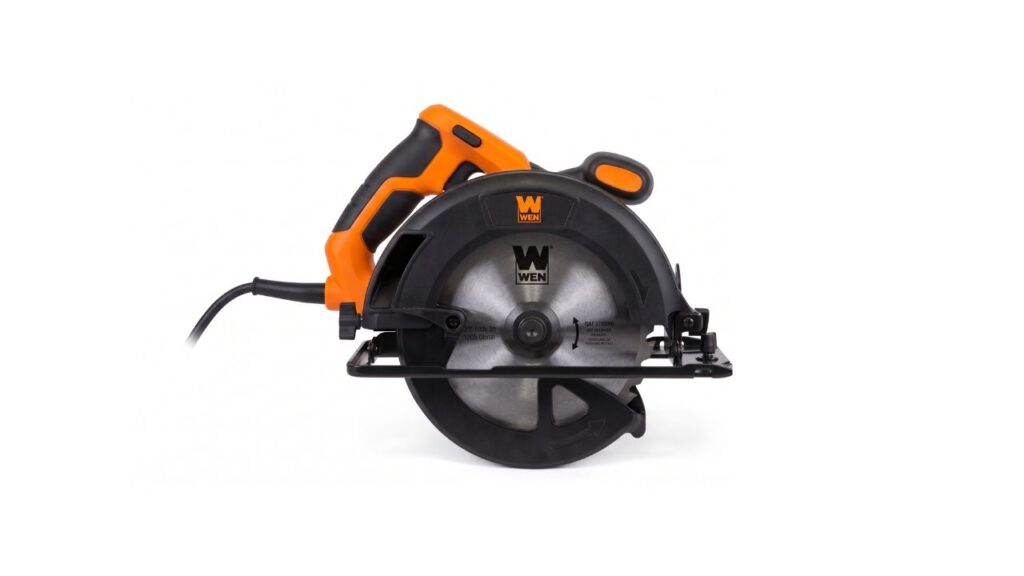
Pros And Cons
See what you gain and give up when choosing this affordable model.
| Feature | Pro | Con |
| Price Point | Very affordable for tool beginners | Plastic parts feel cheaper than premium brands |
| Chip Filter | Includes a handy metal shaving chamber | Chamber door can pop open randomly |
| Motor Size | 11-amp motor works well on thin metals | Motor struggles greatly with thick steel |
| Adjustments | Simple depth adjustment lever included | Depth scale is hard to read accurately |
| Tool Design | Lightweight body prevents arm fatigue | Short power cord requires an extension |
Recommendation
You should buy this saw if you only cut metal occasionally. It works great for cutting roofing tin or thin pipes. Hobbyists will love the clean cuts it makes on light angle iron. It saves you a lot of money upfront. The built-in chip collector also keeps your garage floor much cleaner.
Professionals should skip this model entirely. The smaller motor simply cannot handle heavy daily use on thick steel. Pushing it too hard will easily burn out the internal parts. It is strictly a light-duty tool for budget-conscious buyers.
Best for: Budget shoppers and occasional weekend DIYers
Not ideal for: Professional fabricators and heavy daily use
Best Premium: Makita XSC04Z
Some jobs require extreme precision and absolute cleanliness indoors. Based on long-term owner reviews, the brushless motor runs very smoothly while catching dangerous flying debris. The biggest downside is the smaller blade size, which strictly limits your maximum cutting depth.
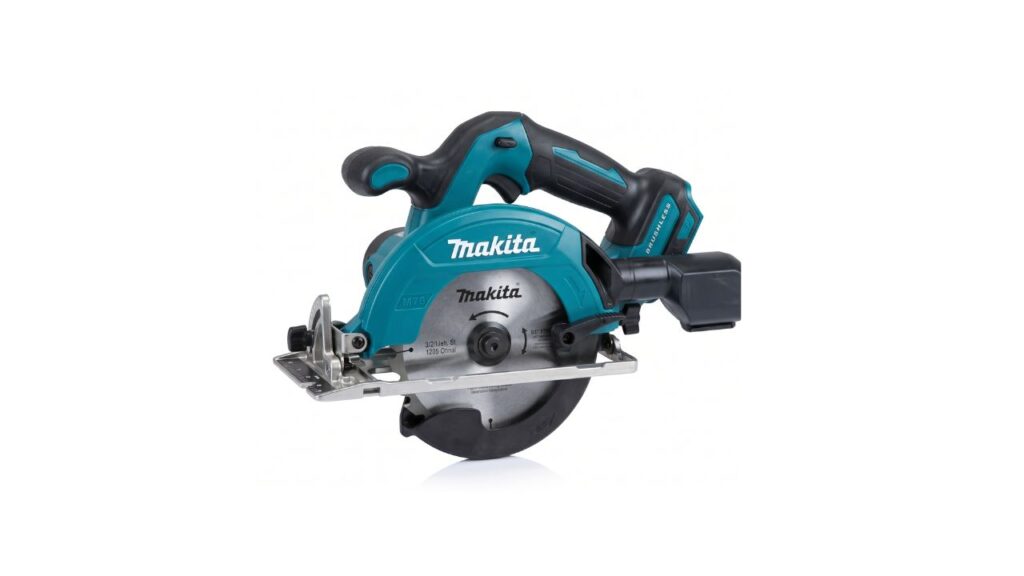
Pros And Cons
Explore the premium features and minor flaws of this high-end saw.
| Feature | Pro | Con |
| Cleanliness | Collector box catches most metal shavings | Small box must be emptied very frequently |
| Motor Life | Brushless design extends tool lifespan | Tool-only purchase price is very high |
| Handling | Compact size is great for tight spots | Small blade limits maximum cut depth |
| Build Quality | Solid base and extremely durable parts | Safety switch feels a bit stiff initially |
| Noise Level | Runs quieter than many corded models | Replacement blades are expensive to buy |
Recommendation
This tool is ideal for HVAC installers and indoor electricians. It cuts metal cleanly inside finished homes without making a huge mess. The chip collector alone makes it worth the premium price tag. You will spend less time sweeping up sharp metal shards. The compact size also reduces arm strain when working overhead.
If you routinely cut large metal pipes, this tool will frustrate you. The limited cutting depth cannot handle thick beams in a single pass. It is a specialized tool designed specifically for precise and clean indoor work.
Best for: Indoor contractors and professional HVAC installers
Not ideal for: Cutting thick metal pipes or deep steel beams
Best Heavy-Duty: Skilsaw OUTLAW
Industrial welders need raw power that simply refuses to quit. During my research, professionals loved its rugged worm drive gearing that pushes through thick steel easily. The trade-off is the extreme weight, which makes it very tiring to use all day long.
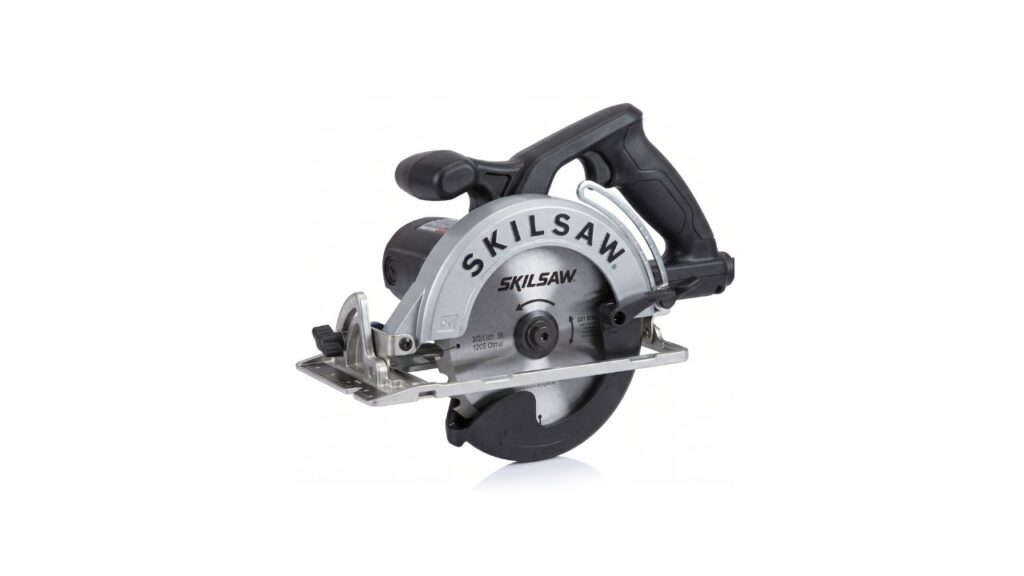
Pros And Cons
Review the heavy-duty capabilities and physical demands of this beast.
| Feature | Pro | Con |
| Raw Power | Worm drive gearing provides massive torque | Very heavy and tiring to operate |
| Durability | All-metal construction survives rough handling | Setup and blade changes take much longer |
| Cut Capacity | Large blade handles very thick materials | Tool is bulky and hard to store away |
| Visibility | Excellent window design for line of sight | Spits hot metal chips aggressively |
| Coolant System | Motor stays very cool during long cuts | Requires occasional oil checks for gears |
Recommendation
This saw is built for serious metalworkers and structural welders. It cuts thick steel plates and large pipes daily without stalling. The worm drive motor simply refuses to bog down under extreme pressure. The rugged design can survive drops and abuse on harsh job sites. It is a true workhorse for heavy industrial applications.
Homeowners and casual DIYers should avoid this heavy beast. It is highly aggressive and complete overkill for basic home tasks. Using it for simple cuts will quickly tire out your arms. It belongs on a heavy construction site.
Best for: Heavy-duty welders and structural steel workers
Not ideal for: Light DIY projects and overhead cutting tasks
Comparison Snapshot
Here is a quick summary comparing all five models. This chart will help you decide faster based on your exact needs.
| Product | Best For | Key Trade-Off |
| Evolution S185CCSL | All-around DIY metal work | Flimsy stamped base plate |
| Milwaukee M18 FUEL | Cordless job site cutting | High overall system cost |
| WEN 36704 | Budget-friendly home projects | Weak on thick solid steel |
| Makita XSC04Z | Clean indoor finish cutting | Limited maximum cutting depth |
| Skilsaw OUTLAW | Heavy-duty thick plate cuts | Very heavy and tiring tool |
How I Chose These Products
Finding the best circular saw for cutting metal requires looking deeply beyond flashy marketing claims. To find the best options, I spent hours analyzing expert reviews and verified user feedback. I looked closely at long-term reliability factors reported by actual owners over several months. I compared how each saw handled different metals, heat generation, and overall shop safety.
My goal was to provide practical recommendations without relying on perfect laboratory conditions. A good tool must perform well in a dusty garage or a busy outdoor job site. I checked warranty terms, replacement blade costs, and overall motor build quality. Every single tool recommendation earned its spot based entirely on real-world merit.
Furthermore, I paid close attention to common complaints regarding base plate durability and chip management. Saws that threw hot metal chips randomly at the user were heavily penalized during my research. I also favored models that offered simple, tool-free depth adjustments for faster workflow. This comprehensive evaluation ensures you get a tool that truly lasts.
| Evaluation Factor | Why It Matters |
| Motor Power | Ensures the blade will not stall in thick steel. |
| Blade Quality | A good included blade saves you money upfront. |
| Chip Management | Protects your eyes and keeps the shop clean. |
| Build Durability | Cast aluminum bases outlast cheap stamped steel. |
| Tool Weight | Heavy saws cause arm fatigue during long jobs. |
| Value for Money | Balances the initial price against useful lifespan. |
Common Buying Mistakes
Buying a metal-cutting saw is very different from buying a standard wood saw. Many buyers make simple errors that ruin expensive blades very quickly. Using the wrong tool can also create very unsafe cutting conditions in your shop. Wood saws spin much too fast and will instantly burn up a metal-cutting blade.
Another huge mistake is pushing the saw too hard through the material. Metal requires a steady, patient feed rate to prevent the motor from stalling out completely. Pushing too hard breaks off the fragile carbide teeth on your expensive blade. You should always let the weight of the saw do the heavy lifting.
Finally, many beginners completely ignore the importance of a good chip collection system. Cutting metal produces thousands of tiny, razor-sharp shards that scatter everywhere. Sweeping these up later is frustrating and dangerous for pets or children. Choosing a saw with a built-in collection box saves you a massive headache later.
| Mistake | Better Approach |
| Using standard wood saws | Buy a dedicated low-RPM metal cutting saw. |
| Pushing the blade too fast | Let the tool do the work to save the teeth. |
| Ignoring chip collection | Pick a saw with a chip tray for indoor work. |
| Buying cheap spare blades | Invest in high-quality carbide metal blades. |
| Skipping eye protection | Always wear sealed safety goggles when cutting. |
Conclusion
Finding the best circular saw for cutting metal ultimately depends on your workload. For most garage fabricators, the Evolution S185CCSL offers the best mix of reliable power and overall value. If you strictly want the best budget option for a quick weekend project, the WEN 36704 will get the job done for less. Professional contractors will benefit most from the mobility of the Milwaukee M18 FUEL or the raw power of the Skilsaw OUTLAW.
Remember that cutting metal always requires patience and respect for the tool. Never force the blade aggressively through thick material. Invest in a good pair of safety glasses and let the saw do the heavy lifting. If you match the tool to your specific needs, you will enjoy fast, clean, and spark-free cuts for years to come.
Affiliate Disclosure: As an Amazon Associate, I earn from qualifying purchases. If you click through links in this article and make a purchase, I may receive a small commission at no extra cost to you. This support helps fund independent research and allows me to keep bringing you honest, practical product guides.