What Size Chainsaw Do I Need to Cut Trees? My Honest Guide
Figuring out what size chainsaw do i need to cut trees used to drive me crazy. When I bought my first house, the yard was full of overgrown maples and dead pine trees. I walked into the hardware store feeling totally lost. I stared at a giant wall of chainsaws. Some looked like toys. Others looked like they belonged in a horror movie.
I ended up buying a massive 20-inch gas-powered monster. I thought a bigger tool was always better. That was a huge mistake. The saw was incredibly heavy. It hurt my back to use it. It was honestly terrifying to hold. I quickly realized that buying the biggest saw is a bad idea. Choosing the right size makes yard work safe, fast, and easy. I want to share exactly what I learned so you can buy the perfect saw for your yard.
The Golden Rule of Chainsaw Sizing
There is a simple math rule you need to know. It applies to every single chainsaw on the market. Your chainsaw bar should be two inches longer than the wood you want to cut. The bar is the metal blade that the chain spins around.
If you want to cut a tree branch that is 10 inches thick, you need a 12-inch chainsaw bar. This gives you safe clearance. It stops the tip of the blade from hitting dirt or other branches. Hitting the tip is dangerous. It causes the saw to kick back at your face. This two-inch rule changed how I shop for yard tools entirely.
| Tree Thickness | Recommended Bar Length |
| 8 inches or less | 10 to 12 inches |
| 10 to 14 inches | 14 to 16 inches |
| 14 to 18 inches | 18 to 20 inches |
Matching the Saw to Your Yard Work
You do not need a massive lumberjack saw for simple weekend yard chores. You need to match the tool to the specific type of wood you cut most often. Be honest with yourself about your weekend projects.
Light Pruning and Limb Trimming
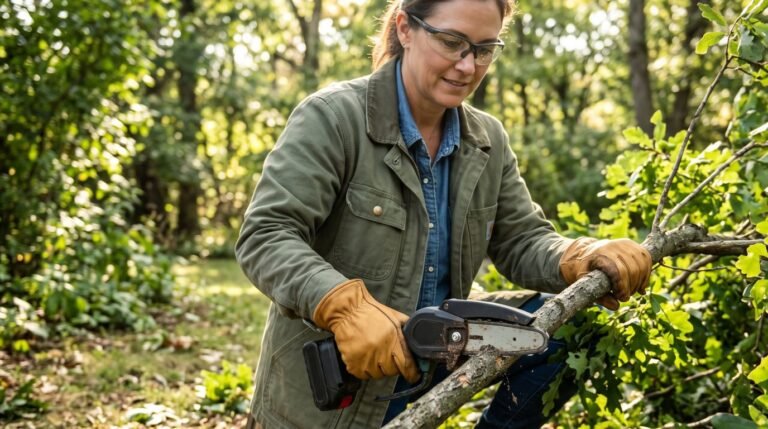
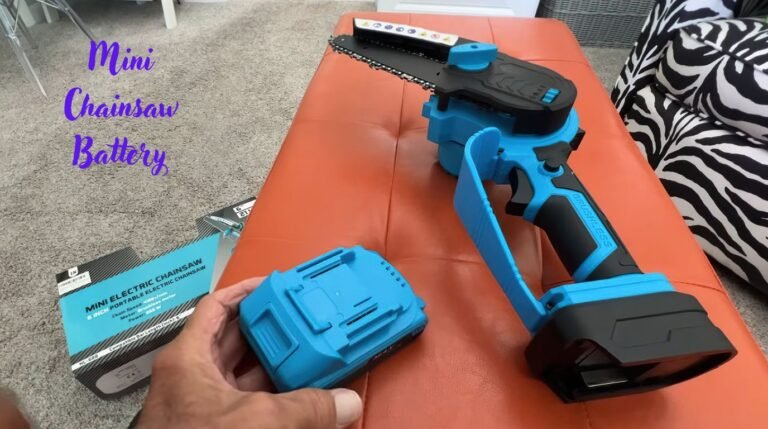
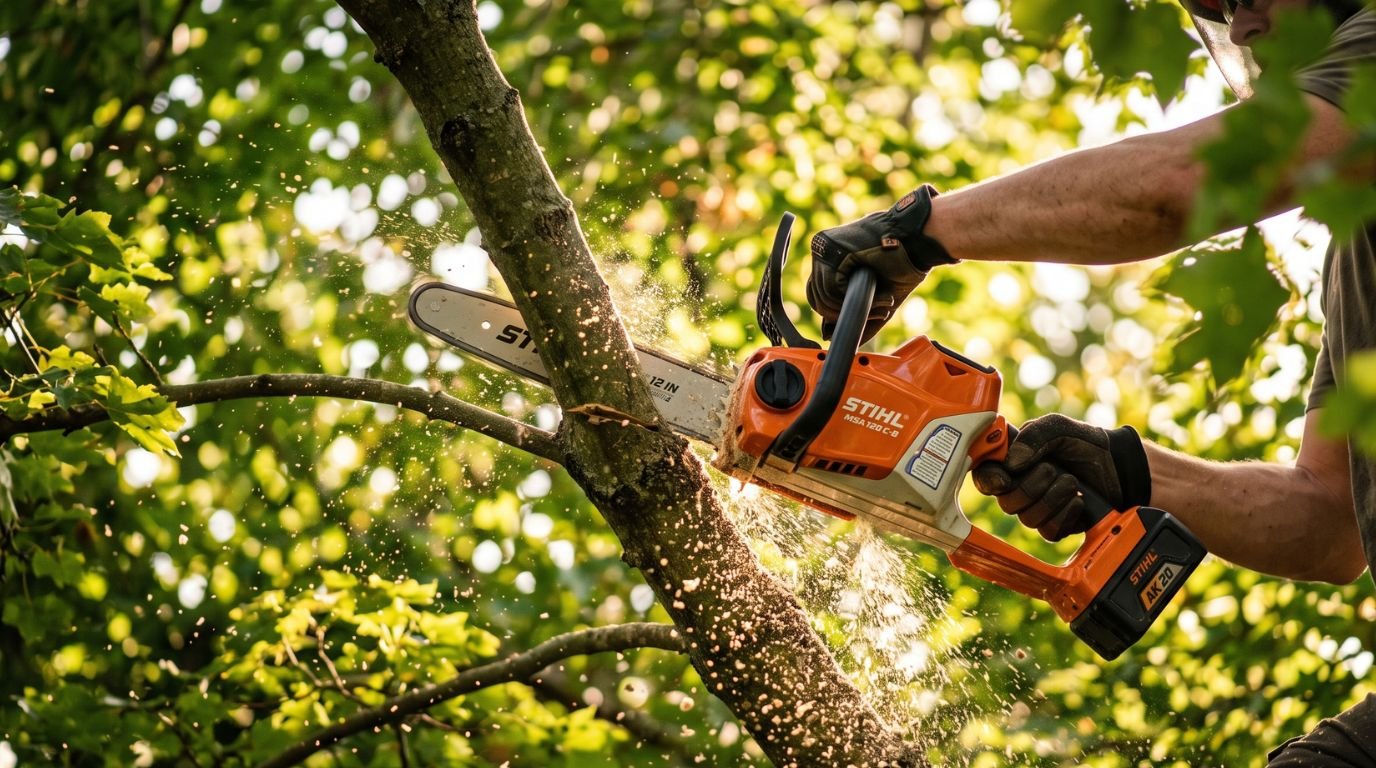
If you just need to clean up storm damage, you want a small saw. I use a 10-inch battery-powered saw for this. Small saws are amazing. They are lightweight and easy to hold. You can use them to trim branches overhead without killing your shoulders.
I highly recommend a 10-inch to 14-inch bar for basic pruning. These smaller saws are also perfect for cutting up small branches for a backyard fire pit. You will use a small saw way more often than you think. It becomes your go-to tool for quick cleanups.
Felling Small Trees and Firewood
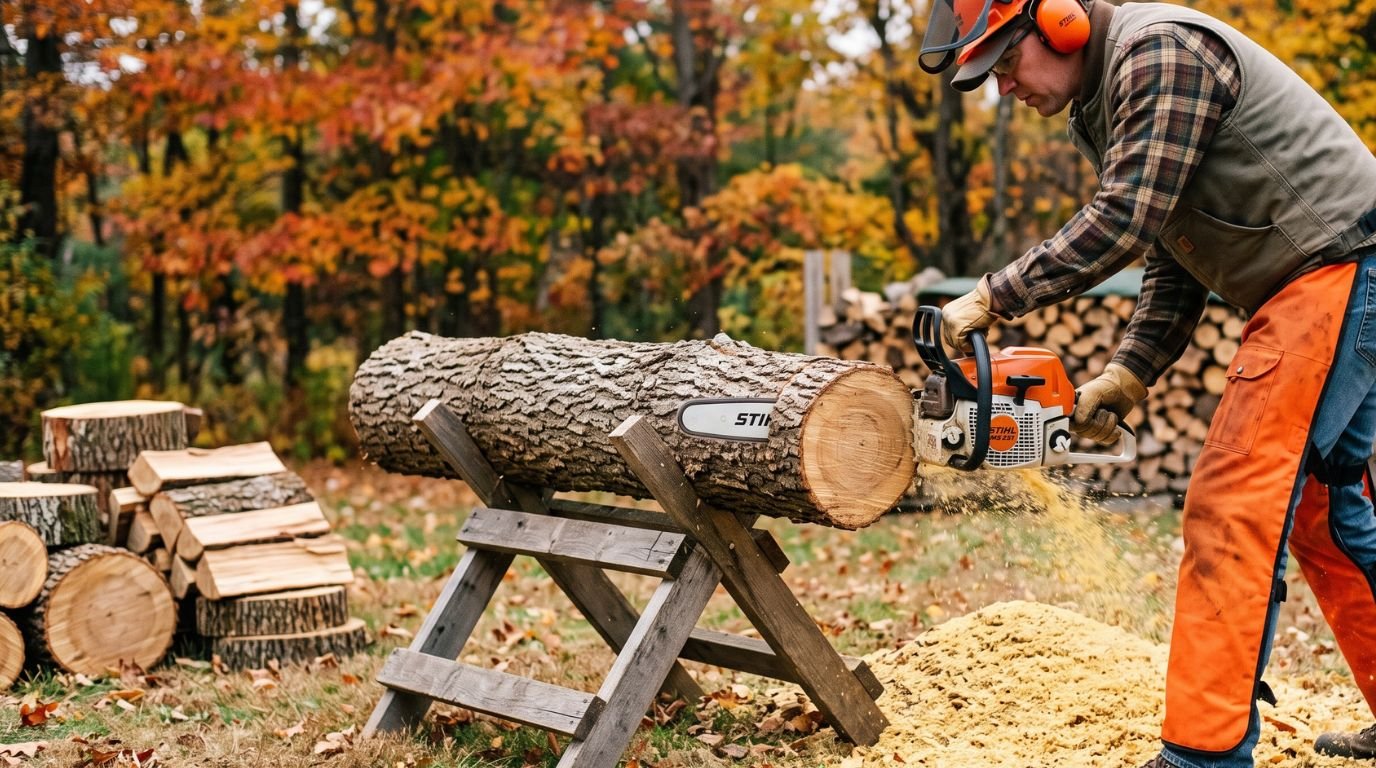
This is the sweet spot for most homeowners. A 16-inch chainsaw is the ultimate all-around tool. If you only ever buy one chainsaw, make it a 16-inch model. It is the perfect balance of weight and power.
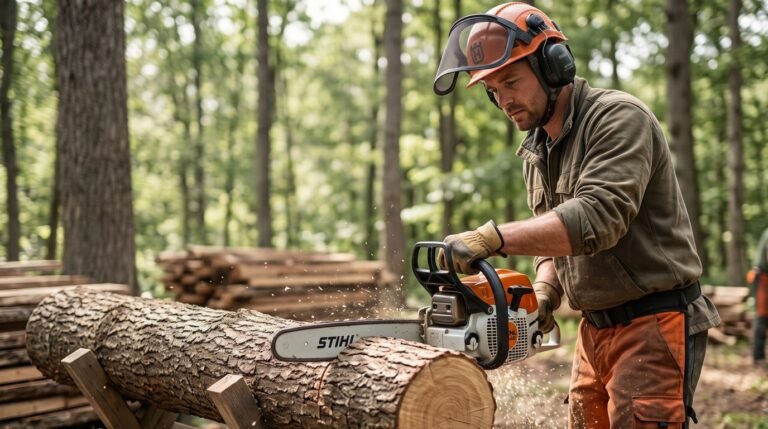
I use my 16-inch saw to cut down dead trees in my yard. It handles trunks that are a foot thick with zero problems. It is also the best size for bucking firewood. Bucking just means cutting a fallen tree into smaller logs. A 16-inch saw handles 90 percent of the work on my property.
If you haven’t found a good chainsaw yet, you can check out our best mini chainsaws.
Heavy Duty and Large Hardwoods
Sometimes you have to deal with massive oak or hickory trees. Hardwood is very dense. It eats up cheap chains and weak motors. If you are cutting trees that are wider than 16 inches, you need a heavy-duty saw.
You should look for a 20-inch bar or larger. But let me warn you right now. Saws this big are heavy. They are loud. They vibrate constantly. I rarely use my 20-inch saw anymore. I only fire it up when a massive tree falls across my driveway after a bad storm.
| Best Chainsaw Size | Ideal Yard Task |
| 10 to 14 Inches | Trimming small limbs and cutting brush |
| 16 to 18 Inches | Cutting firewood and taking down medium trees |
| 20+ Inches | Dropping huge trees and thick hardwood trunks |
Gas vs. Battery Power: Does It Change Things?
People always ask me if battery chainsaws are as good as gas ones. Ten years ago, the answer was no. Today, battery saws are incredible. They have totally changed how I handle yard work.
I used to hate mixing gas and oil. I hated pulling the starter cord ten times just to clear one branch. Now, I just snap in a battery and pull the trigger. However, power source does affect the size of the saw you should buy. Battery power is amazing for shorter bars. Once you get past an 18-inch bar, gas is still the king of power.
| Power Source | Best Bar Sizes | Biggest Advantage |
| Battery (Electric) | 10 to 16 Inches | Push-button start and very quiet |
| Gas Engine | 16 to 24+ Inches | Raw power for massive hardwood |
| Corded Electric | 14 to 16 Inches | Cheap to buy and never runs out of fuel |
Guide Bar Length vs. Engine Power
Here is a secret that hardware stores rarely explain clearly. The length of the bar is only half of the story. The power of the engine matters just as much. You cannot put a giant bar on a weak engine. It will ruin the saw.
Gas chainsaw engines are measured in cubic centimeters. You will see this written as CCs on the box. A higher CC number means a stronger engine. Stronger engines can spin a longer chain through thick wood without stalling out.
Why You Cannot Upgrade Bar Size Endlessly
I once tried to put an 18-inch bar on a cheap little 30cc chainsaw. I thought I was hacking the system to save money. The saw barely worked. The weak engine could not drag that long chain through the wood. It got stuck halfway through a pine log.
The engine overheated and started smoking. Always check the manufacturer manual before changing your bar size. They will tell you exactly what bar sizes fit your specific engine.
| Engine Power (CC) | Maximum Safe Bar Length |
| 30cc to 40cc | 14 to 16 Inches |
| 40cc to 50cc | 16 to 18 Inches |
| 50cc to 60cc+ | 20 to 24 Inches |
Mistakes I Made When Buying My First Chainsaw
I made a lot of dumb mistakes when I started cutting trees. I wasted money on the wrong gear. I want to save you the frustration of making these same errors. Choosing the wrong size makes tree cutting miserable.
Ignoring the Weight Factor
This is the most common mistake. People pick up a large chainsaw in the store. They hold it for ten seconds. They think it feels fine. They buy it and take it home.
Holding a saw for ten seconds is completely different than using it for two hours. A large gas chainsaw can weigh close to 20 pounds with a full tank of fuel. Holding 20 pounds out in front of you is exhausting. When your arms get tired, you make mistakes. Mistakes with a chainsaw lead to hospital visits. Always buy the lightest saw that can still finish the job.
Thinking Longer Bars Cut Faster
A lot of beginners assume a long bar cuts wood faster. That is actually false. A shorter bar cuts faster than a long bar on the exact same engine.
A shorter chain has less friction. The engine does not have to work as hard to spin it. The chain flies around the bar at maximum speed. This slices through wood like warm butter. Only buy a long bar if the tree trunk is actually wide enough to require it.
| Common Mistake | A Much Better Approach |
| Buying a massive saw just in case | Buy a 16-inch saw for daily work |
| Ignoring saw weight in the store | Hold the saw for two full minutes first |
| Putting a long bar on a weak motor | Follow the factory CC guidelines |
Safety Risks with Oversized Saws
I have to talk about safety for a minute. Chainsaws are incredibly useful. But they demand absolute respect. Buying a saw that is too large for your skill level is very dangerous.
Big saws are hard to control. They have aggressive chains. If you hit a knot in the wood, a massive saw will jerk your arms violently. A smaller saw is much easier to manage if things go wrong.
The Dangers of Kickback
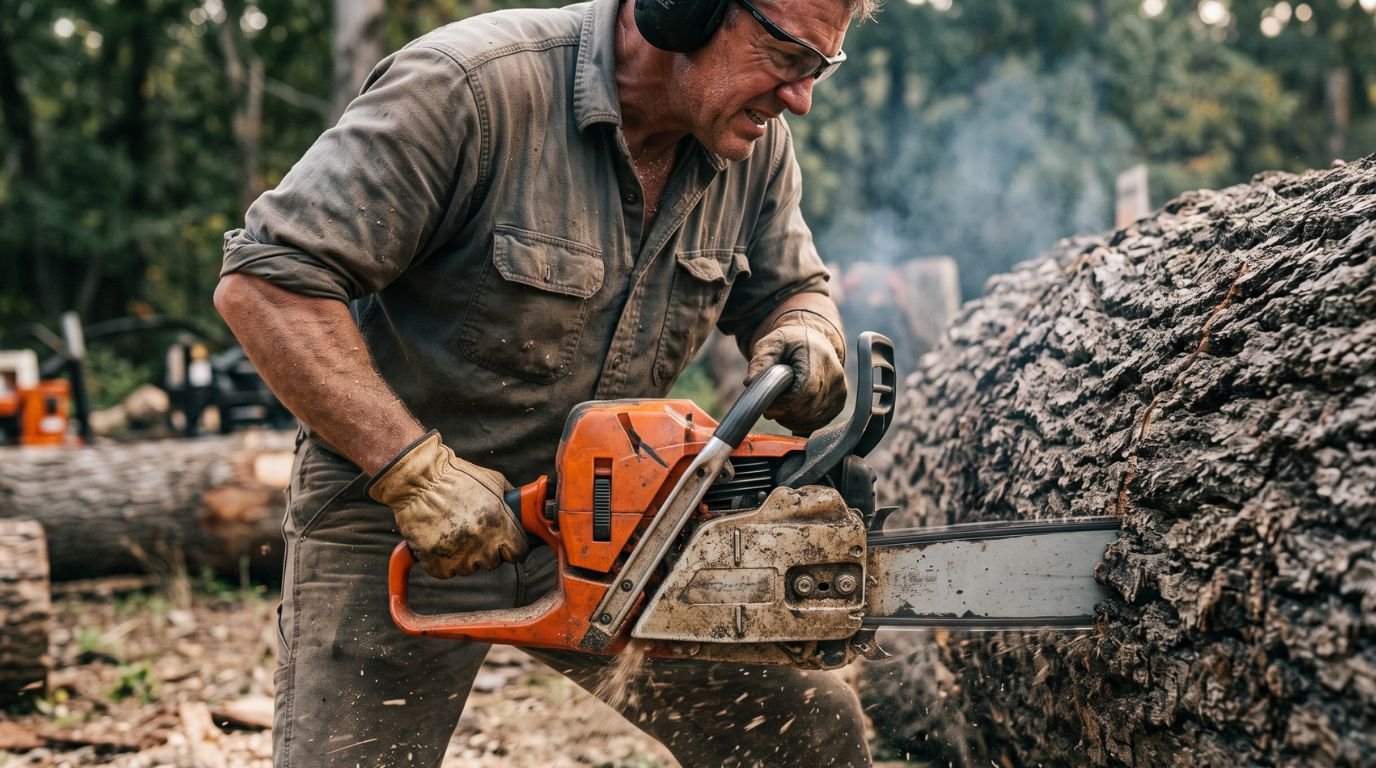
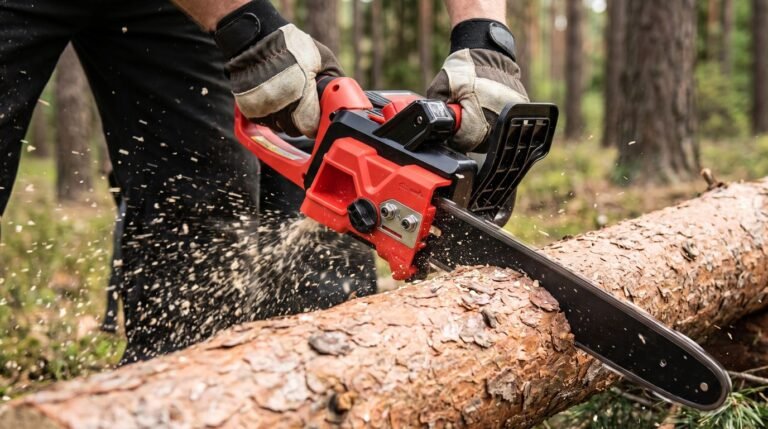
Kickback is the scariest part of cutting trees. It happens when the upper tip of the chainsaw bar hits something hard. The chain grabs the wood and instantly throws the entire saw backward toward your face. It happens faster than you can blink.
Longer bars have a larger kickback zone at the tip. They also have more leverage to throw the saw backward with extreme force. If you are a beginner, stick to shorter bars. A 14-inch or 16-inch saw is much easier to control during a kickback event. Always wear safety glasses and chainsaw chaps, no matter what size saw you buy.
How to Measure Tree Diameter Easily
You know the two-inch rule now. But how do you actually measure a tree before you buy a saw? You do not need to drag a tape measure into the woods. I use a very simple trick to estimate tree thickness.
I use an ordinary sheet of standard printer paper. The long edge of a piece of paper is exactly 11 inches. I hold it up against the tree trunk. If the tree is barely wider than the paper, I know it is roughly 12 to 14 inches thick. A 16-inch chainsaw will handle it perfectly. If the tree is twice as wide as the paper, it is over 20 inches thick. That requires a heavy-duty saw.
When You Should Rent Instead of Buy
Sometimes, the tree in your yard is just too big for the saw you own. You might be wondering what size chainsaw do i need to cut trees that are massive. You might think you need to go buy a giant 24-inch saw. Do not do it.
I once had a huge oak tree die in my front yard. The trunk was nearly three feet wide. My trusty 16-inch saw was completely useless. I looked at buying a massive professional chainsaw. It cost over eight hundred dollars. I would only use it once.
Instead, I drove to the local hardware rental desk. I rented a massive professional saw for sixty bucks for the day. I cut the giant tree into sections. Then, I returned the heavy saw the next morning. I saved hundreds of dollars. If a tree requires a bar longer than 20 inches, just rent the tool.
| Yard Scenario | My Honest Recommendation |
| Routine yard trimming | Buy a small battery saw |
| Cutting firewood every winter | Buy a quality 16-inch gas saw |
| One massive storm-damaged tree | Rent a 24-inch pro saw for the day |
Final Thoughts
Figuring out the right size saw does not have to be stressful. You just need to be realistic about your yard work. Stop worrying about looking like a professional lumberjack. A smaller, lighter saw is almost always the smarter choice for a homeowner. It saves your back, saves you money, and keeps you safer in the yard.
If you are still totally stuck on what to get, just buy a 16-inch chainsaw. It really is the golden middle ground. It is light enough for quick pruning jobs but strong enough to drop a decent-sized tree. Respect the tool, wear your safety gear, and take your time. You will be clearing brush like a pro in no time at all.