How Many Teeth for Circular Saw Blade Woodworking?
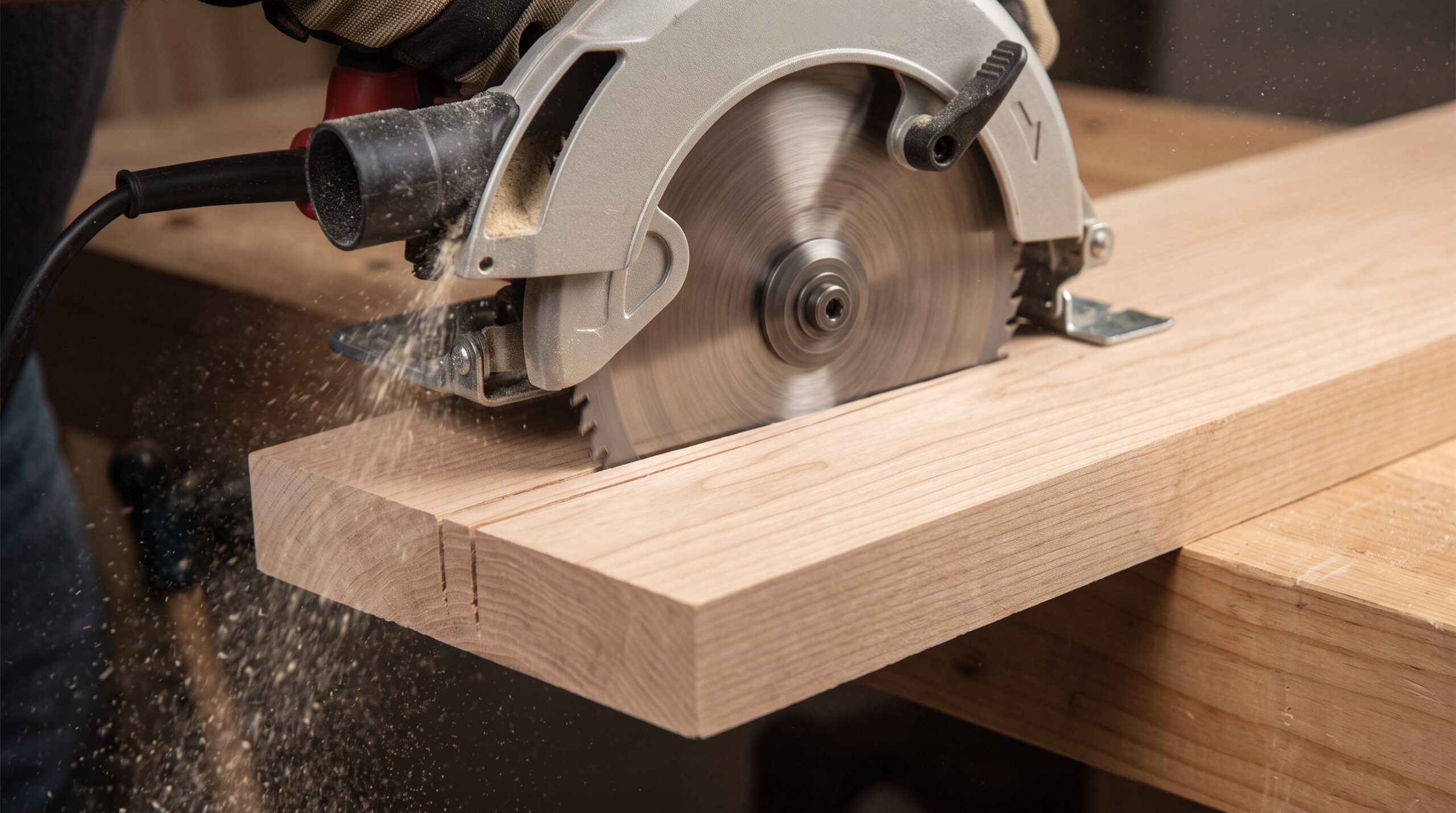
I still remember the day I ruined a seventy-dollar sheet of oak plywood. I put a standard framing blade into my saw and went straight to work. The cut edges looked like they had been chewed by a dog. It was a harsh lesson that cost me money and time. I quickly realized that knowing how many teeth for circular saw blade tasks you need is the true secret to clean woodwork.
It is not just about buying an expensive blade. It is about matching the blade to the specific job. Today, I want to share what I have learned over years of trial, error, and ruined wood in my own garage. I will help you pick the exact right tooth count so you get smooth, perfect cuts every single time.
The Golden Rule of Blade Teeth
If you only remember one rule from my mistakes, make it this one. The number of teeth completely changes how the saw behaves.
More teeth mean a smoother cut, but the saw has to work much harder. Fewer teeth mean a faster cut, but the edge will be rough. When I first started, I assumed a 60-tooth blade was simply superior. I tried to rip a thick wooden board with it. The saw smoked, stalled, and burned the wood black. I had the concept totally backwards.
Why Gullets Matter Just as Much
Teeth do the cutting, but the spaces between them do the cleaning. These empty spaces are called gullets.
Deep gullets scoop up sawdust and throw it out of the cut. Blades with fewer teeth have massive gullets. Blades with many teeth have tiny gullets. If you use a blade with tiny gullets on thick wood, the dust gets trapped. Trapped dust creates friction, and friction kills your blade.
| What Beginners Think | The Actual Reality |
| More teeth are always better | More teeth mean slower, smoother cuts |
| One blade cuts everything well | Each blade has a specific, ideal use |
| Brand name is most important | Tooth count matters much more |
Ripping Lumber: Why You Need Fewer Teeth
Ripping means cutting wood in the exact same direction as the grain. You are slicing along the length of the board.
When you rip cut, the wood fibers come off in long, stringy shavings. You need big gaps between the saw teeth to clear out those heavy strings. If the gullets are too small, they clog up with dust instantly. Your saw will overheat quickly.
The Ideal Tooth Count for Ripping
For a standard circular saw, you want 14 to 24 teeth for ripping. This low count gives the blade the breathing room it needs.
The saw will glide right through thick wood. It feels effortless and amazing. The cut edge might feel a bit rough, but that is totally normal. You almost always sand or plane rip cuts later anyway. Do not worry about a rough edge here.
| Wood Type | Best Ripping Tooth Count |
| Standard 2×4 framing lumber | 24 teeth |
| Thick hardwoods (Oak, Maple) | 14 to 18 teeth |
| Wet or treated lumber | 14 teeth |
Crosscutting: Getting a Cleaner Finish
Crosscutting means cutting across the wood grain. Think about chopping a long board into multiple shorter pieces.
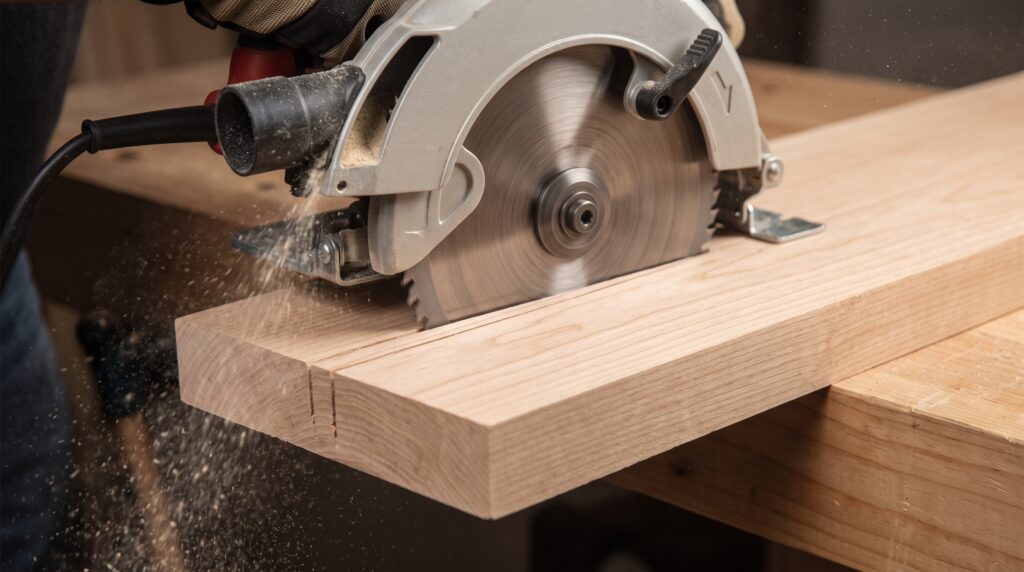
When you cut across the grain, the wood fibers want to tear and snap. If you use a blade with too few teeth, it acts like a dull axe. It chops and rips chunks of wood away from the edge. This is called tear-out, and it looks incredibly ugly on finished projects.
Best Circular Saw for Woodworking
The Sweet Spot for Crosscut Teeth
To stop tear-out, you need more teeth hitting the wood. Look for a blade with 40 to 60 teeth for this job.
More teeth mean each tooth takes a tiny, gentle bite of the wood. These tiny bites slice the fibers cleanly instead of tearing them. I learned to slow down my push speed when using a crosscut blade. If you push too fast, the blade will heat up and leave black burn marks.
| Cut Style | Resulting Finish Quality |
| Crosscut with 24 teeth | Splintered, rough, ugly edges |
| Crosscut with 40 teeth | Clean, but minor sanding needed |
| Crosscut with 60 teeth | Glass-smooth, zero tear-out |
Plywood and Melamine: The High Tooth Zone
Plywood is incredibly tricky because the top layers are super thin. These delicate wood veneers chip and flake easily.
My biggest mistake early on was treating plywood like solid wood. It is entirely different. The glue and thin layers require special care. If you want a factory-smooth edge on expensive cabinet plywood, you have to max out your tooth count.
Dealing with Delicate Sheets
You absolutely need a 60-tooth or even a 72-tooth blade for plywood. They make these high-tooth blades specifically for delicate sheet goods.
They leave an edge so clean you can barely believe it. But remember, these blades cut very slowly. Let the saw do the work at its own pace. Never force it forward. Also, set your blade depth so it barely pokes through the bottom of the wood. This simple trick reduces chipping on the bottom side dramatically.
| Common Plywood Problem | Likely Cause | My Simple Fix |
| Top layer is chipping | Teeth exiting wood roughly | Score the cut line with a knife first |
| Bottom layer is chipping | Blade depth is set way too low | Raise blade so 1 tooth shows below wood |
| Burn marks on the edge | Pushing the saw way too slowly | Keep a steady, continuous forward motion |
General Purpose Blades: The Middle Ground
Changing blades takes a lot of time. I personally hate stopping a project just to grab a wrench and swap out a blade.
That is exactly why general-purpose blades exist. They usually sit right in the middle with 24 to 40 teeth. The idea is that they can rip fairly well and crosscut fairly well. They are the ultimate jack-of-all-trades option for your garage.
Are They Actually Good for Everything?
Honestly, yes. If I am building a backyard deck or a simple shed, a 24-tooth or 36-tooth blade stays on my saw all day.
It rips heavy framing lumber fine. It crosscuts basic 2x4s neatly enough. It is not perfect for fine indoor furniture, but it works for most household chores. If you only want to buy one single blade for your saw, get a 36-tooth or 40-tooth carbide-tipped blade.
| Blade Tooth Count | Best Real-World Use |
| 14 to 24 Teeth | Framing, demolition, fast rough rips |
| 36 to 40 Teeth | General DIY, decking, mixed daily cuts |
| 60 to 72 Teeth | Fine woodworking, cabinets, delicate plywood |
Blade Diameter Changes the Math
Not all circular saws are the same size. The size of your saw changes how the tooth count actually works.
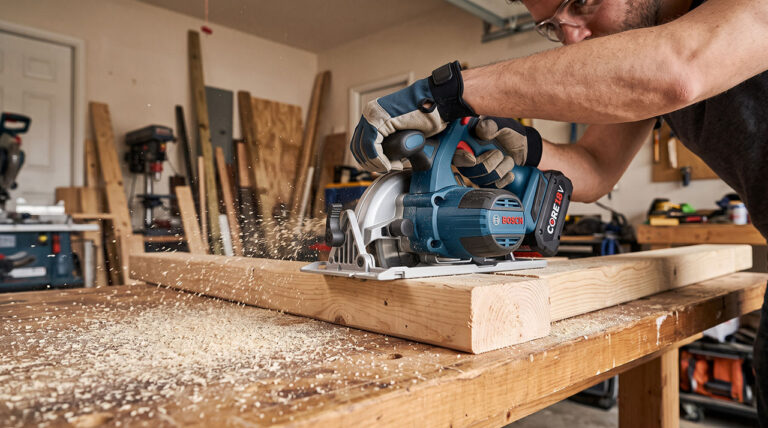
A standard corded saw uses a 7-1/4 inch blade. But many battery-powered saws use smaller 6-1/2 inch or 5-1/2 inch blades. You have to look at how closely the teeth are packed together, not just the total number.
Understanding Pitch and Spacing
A 24-tooth blade that is 5-1/2 inches wide has teeth packed closer together than a 7-1/4 inch blade with 24 teeth.
Because the teeth are closer, that small 24-tooth blade will cut smoother than the big one. It acts more like a 40-tooth blade. If you use a smaller cordless saw, you often need slightly fewer teeth to get the exact same result. Keep this in mind when buying replacement parts.
The Hidden Trap of Heat and Feed Rate
Tooth count is just half the battle in woodworking. How fast you push the saw matters just as much.
This speed is called your feed rate. I used to think the saw motor speed was the only thing that mattered. I was very wrong. The teeth need adequate time to clear the sawdust out of the cut path.
Matching Your Speed to Your Teeth
When you use a 60-tooth blade, the gullets are tiny and fill with dust instantly.
If you push fast, the dust has absolutely nowhere to go. It causes massive friction. Friction creates intense heat. Heat burns your wood and warps the metal blade. When using a high-tooth blade, push slowly. When using a low-tooth ripping blade, you can push much faster because the large gullets clear dust easily.
| Mistake You Make | What Happens to the Cut |
| Pushing a 60T blade too fast | Motor bogs down, wood burns black |
| Pushing a 24T blade too slow | Wasted time, jagged cut edge |
| Forcing saw through hard knots | Blade warps, dangerous saw kickback |
Kerf Size and Battery Powered Saws
Kerf is simply a fancy word for how thick the saw blade is. It determines how much wood gets turned into sawdust during a cut.
Standard corded saws use full-kerf blades. They are thick, heavy, and very stable in the wood. But modern battery-powered saws are entirely different beasts. They need a little extra help to save battery life and maintain cutting speed.
Why Thin Kerf Matters
If you use a cordless circular saw, you should always buy thin-kerf blades. They literally slice through less wood.
Because they cut less wood, the motor works less hard. Your expensive battery will last twice as long on a single charge. Almost all thin-kerf blades clearly state it on the front packaging. I finally switched to thin-kerf on my 18-volt saw last year. It honestly felt like I had bought a brand new, twice-as-powerful tool.
Final Thoughts
Figuring out the right blade does not have to be a stressful or expensive guessing game. It all comes down to what specific material you are trying to cut. Use fewer teeth for rough, fast cuts along the grain. Use more teeth for smooth, clean cuts across the grain or on delicate plywood. Once you start swapping your blades to match the job, your woodworking will improve overnight.
It took me years to stop being lazy and actually change my blades when needed. Do not make my expensive mistakes. Keep a cheap 24-tooth blade for framing walls and a nice 60-tooth blade for your good plywood. Your projects will look much better, your saw motor will last longer, and you will enjoy the entire process so much more.