Table Saw That Won’t Cut Your Fingers: Is It Worth It?
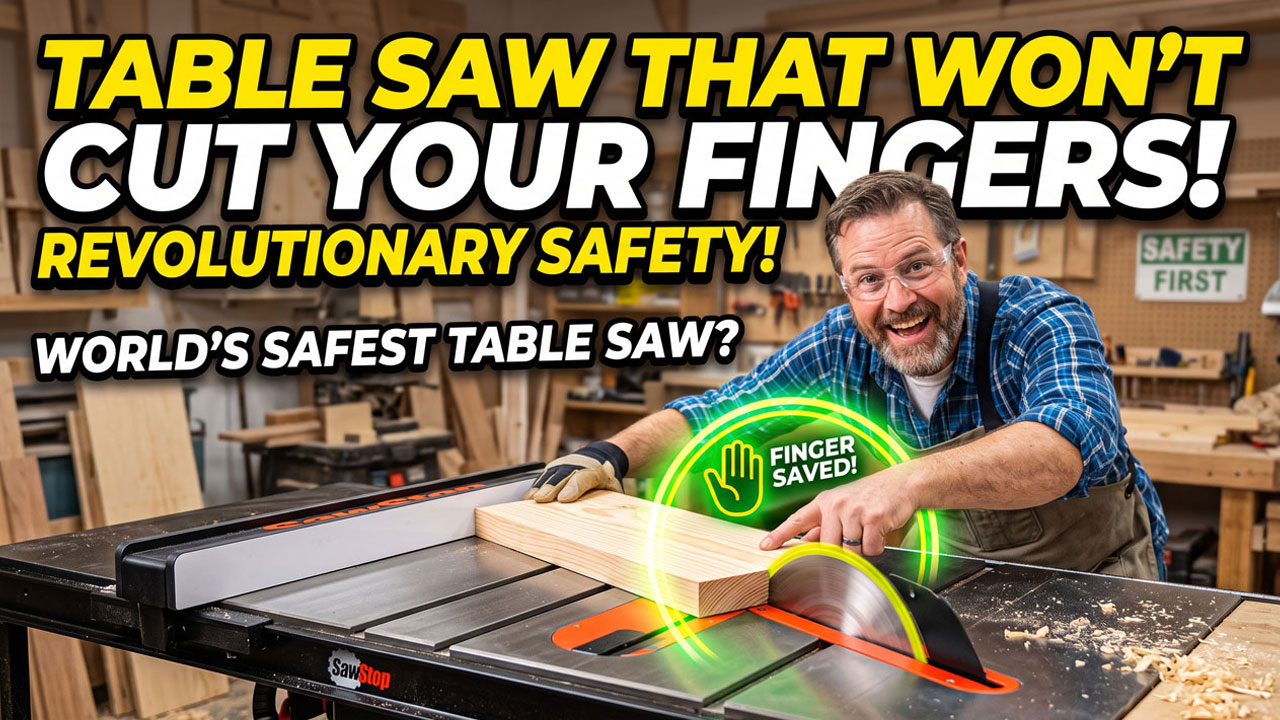
Every woodworker knows the fear. You stand near a spinning piece of steel. It spins incredibly fast. One bad slip can change your life forever. I spent years using a cheap, old saw. I always worried about my hands. Then I heard about a table saw that won’t cut your fingers. I honestly thought it was a sales trick.
I decided to dig deeper. I wanted to know if this safety tech was real. Could a machine actually save my hand? I ended up buying one. I set it up in my garage shop. I learned some hard lessons along the way. Here is exactly what I found out from using it on my own projects.
The Reality of Flesh-Sensing Technology
This technology sounds like science fiction. You touch the blade, and the saw stops instantly.
How the Magic Actually Works
The system is actually pretty simple. It relies on electricity.
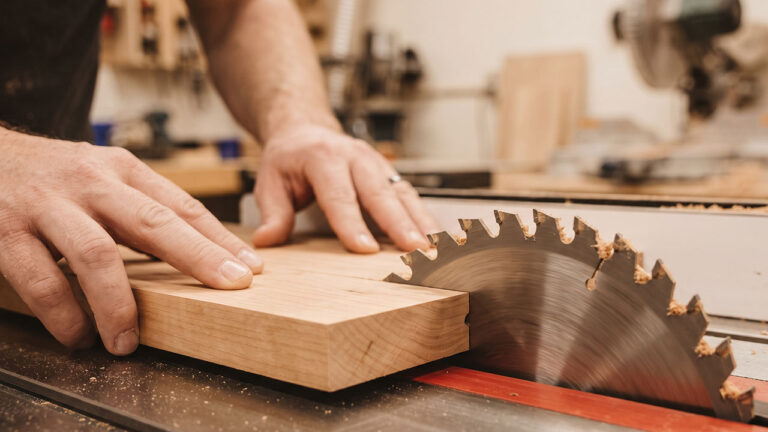
The saw runs a small electrical current through the blade. The machine monitors this signal. Human bodies conduct electricity. Wood does not conduct electricity. If your finger touches the spinning blade, your body changes the electrical signal. The computer inside the saw notices this change right away.
What Happens When It Triggers?
When the computer sees a drop in the signal, it acts fast.
A strong spring fires a block of aluminum right into the spinning teeth. This stops the blade in less than five milliseconds. The force of this sudden stop pushes the entire blade down below the table surface. The motor shuts off. All you hear is a loud bang. You walk away with a tiny scratch instead of a lost finger.
| Myth | Reality |
| It ruins the whole saw. | The saw is fine. You only replace two parts. |
| The blade stops slowly. | It stops in less than 5 milliseconds. |
| It prevents all injuries. | You can still get hit by flying wood. |
My First Hands-On Experience
Buying this saw felt like a huge leap. It is a major investment.
The Price Tag Shock
These saws cost a lot more than normal models.
For a long time, one company owned the patent. That company is SawStop. Because they had no competition, the prices stayed high. I had to think hard about spending that much cash. I finally decided that my fingers were worth more than the extra cost. An emergency room visit costs way more than a good tool.
Setting Up the Beast
Getting the saw into my shop was a real chore.
The cast iron top is incredibly heavy. I needed a friend to help me lift it. Once we got it on the stand, the setup was great. The instructions were actually easy to read. The blade was perfectly straight right out of the box. I did not have to spend hours tweaking the alignment.
| Problem | Practical Solution |
| Heavy boxes are hard to move. | Unpack pieces in your driveway and carry them in one by one. |
| Complex wiring looks scary. | Follow the color-coded guide in the manual. |
| Heavy cast iron rusts. | Apply paste wax to the table surface immediately. |
The Wet Wood and Metal Problem
The safety sensor is great, but it has one big blind spot.
Will Wet Wood Set It Off?
Yes, wet wood can trigger the brake.
Water conducts electricity. If you cut pressure-treated lumber that is still damp, the saw might think it is a finger. Green wood straight from a fresh tree can do the same thing. You have to be careful about what you push through the blade.
Testing Before You Cut
Luckily, the saw gives you a way to check your wood safely.
You can run the wood past the blade while the saw is turned off. The sensor lights will flash red if the wood is too wet. This feature saved me several times. If the lights flash, you know you cannot make the cut normally.
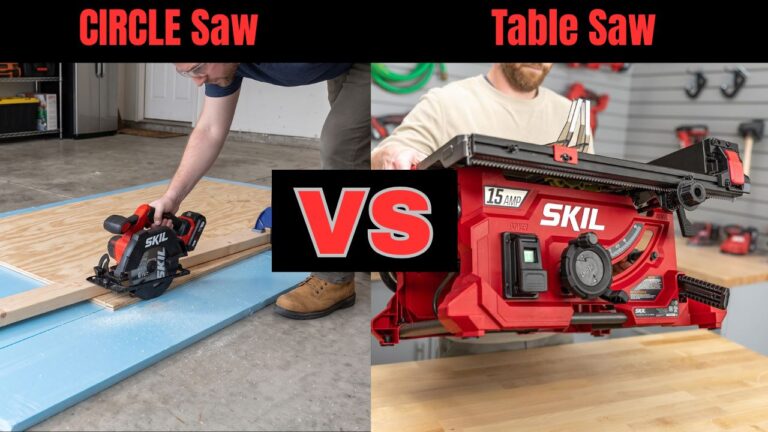
Table Saw Vs Circular Saw: My Brutally Honest Take
Cutting Foil and Metal
Metal conducts electricity just like water and human skin.
If you cut wood that has a hidden nail, you might be fine. But if you hit a staple, aluminum foil, or a metal ruler, the brake will fire. I once tried to cut rigid foam insulation that had a foil backing. The sensor tripped instantly. It was a loud and expensive lesson.
| Material Type | Will It Trigger the Brake? |
| Dry pine or oak | No |
| Wet, treated lumber | Yes |
| Foil-backed insulation | Yes |
Mistakes I Made Along the Way
I learned how to use this saw by making mistakes. Some of them cost me money.
Forgetting Bypass Mode
The saw has a special mode for cutting wet wood.
It is called bypass mode. You turn a key, and it temporarily turns off the flesh-sensing safety feature. I once had a piece of wet pine. I knew it was wet. I just forgot to turn the key. I pushed the wood into the blade. Bang. The brake fired. I lost a good blade because I was in a hurry.
Trusting Safety Over Skill
This is the biggest trap new owners fall into.
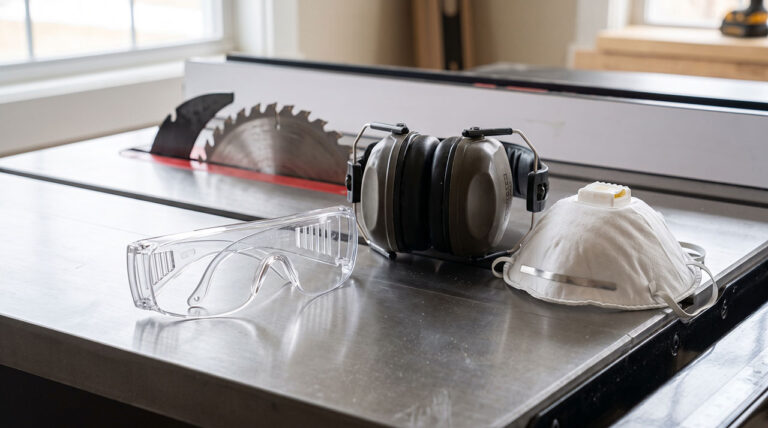
You get the table saw that won’t cut your fingers, and you start getting lazy. You stop using push sticks. You put your hands too close to the blade. I caught myself doing this after a few months. I had to force myself to go back to basic safety rules. The saw protects you from a bad mistake, but it should not be your primary plan.
| Mistake | Better Approach |
| Relying only on the sensor. | Always use push blocks and a riving knife. |
| Cutting unknown reclaimed wood. | Scan old wood with a metal detector first. |
| Ignoring the warning lights. | Always test damp wood before turning the motor on. |
The Real Cost of a Trigger
When the safety brake fires, it saves your hand. But it is not free.
Does It Ruin the Blade?
Yes, the blade is usually destroyed.
The aluminum brake block slams into the carbide teeth with extreme force. The teeth embed deep into the soft metal. Sometimes, a professional sharpener can pry them apart and fix the blade. Most of the time, the metal plate of the blade gets bent. You just have to throw it away.
Replacing the Cartridge
You also have to buy a new safety cartridge.
The cartridge holds the spring and the aluminum block. Once it fires, it cannot be reset. You have to buy a new one. Replacing it takes about five minutes. You pull out the old block, slide the new one in, and turn a latch. It is very easy to do, but you should always keep a spare in your shop.
| Trigger Event | Estimated Cost |
| Fired on a cheap blade | Cost of new cartridge + cheap blade replacement |
| Fired on a premium blade | Cost of new cartridge + expensive blade replacement |
| Fired on a dado stack | Cost of dado cartridge + dado stack replacement |
The Danger of Kickback
Flesh-sensing technology does not solve every problem in the shop.
What Is Kickback?
Kickback happens when the wood gets pinched against the spinning blade.
The blade catches the wood and throws it back at you with massive force. It happens in a fraction of a second. A heavy piece of oak hitting you in the stomach can break ribs. It can also pull your hands backward into the blade.
Why the Sensor Cannot Stop Kickback
The safety brake only stops the blade if you touch it.
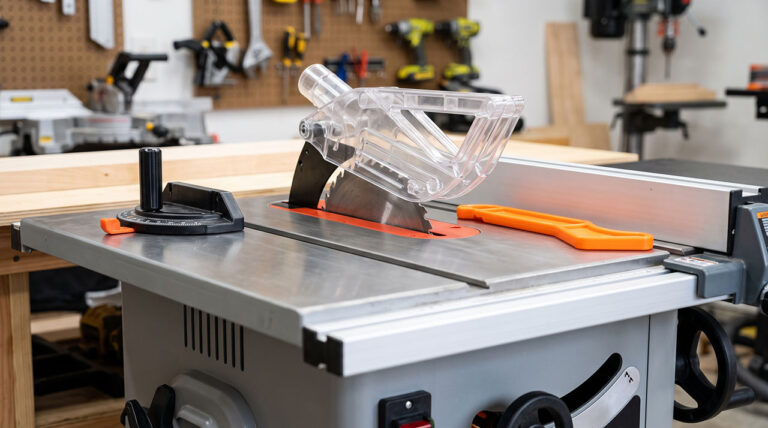
It does not know if wood is flying through the air. A table saw that won’t cut your fingers will still gladly bruise your stomach. You still need to use a riving knife. You still need to keep the fence perfectly straight. Good technique is just as important as fancy technology.
| Comparison Point | Traditional Saw | Flesh-Sensing Saw |
| Finger amputation risk | High | Extremely Low |
| Kickback risk | Medium | Medium (No difference) |
| Blade replacement cost | Standard | High (if triggered) |
Who Actually Needs This Feature?
Not everyone needs a high-tech saw. But for many, it is a game changer.
Weekend Warriors vs. Pros
I am a hobby woodworker. I make furniture in my garage.
If I lose a thumb, I cannot do my day job. The peace of mind is worth the money for me. Professional shops buy them for a different reason. They buy them to lower their insurance costs. They also buy them to keep their workers safe and avoid lawsuits.
Schools and Shared Spaces
If you teach woodworking, this tech is basically mandatory now.
High schools and community colleges all use these saws. Beginners make mistakes. They get distracted. Having a machine that forgives a careless slip is incredible for a learning environment.
Final Thoughts
Buying this type of saw completely changed how I feel in my shop. I no longer have that tight feeling in my chest when making a tricky cut. I know the machine has my back if I slip. However, I still respect the tool.
The biggest lesson I learned is that technology cannot replace common sense. You still need push blocks. You still need a riving knife. A table saw that won’t cut your fingers is a safety net, not a free pass to work carelessly. If you can afford the upgrade, I honestly believe it is the best investment you can make for your workshop.