Husqvarna Chainsaw Protective Clothing: My Honest Review
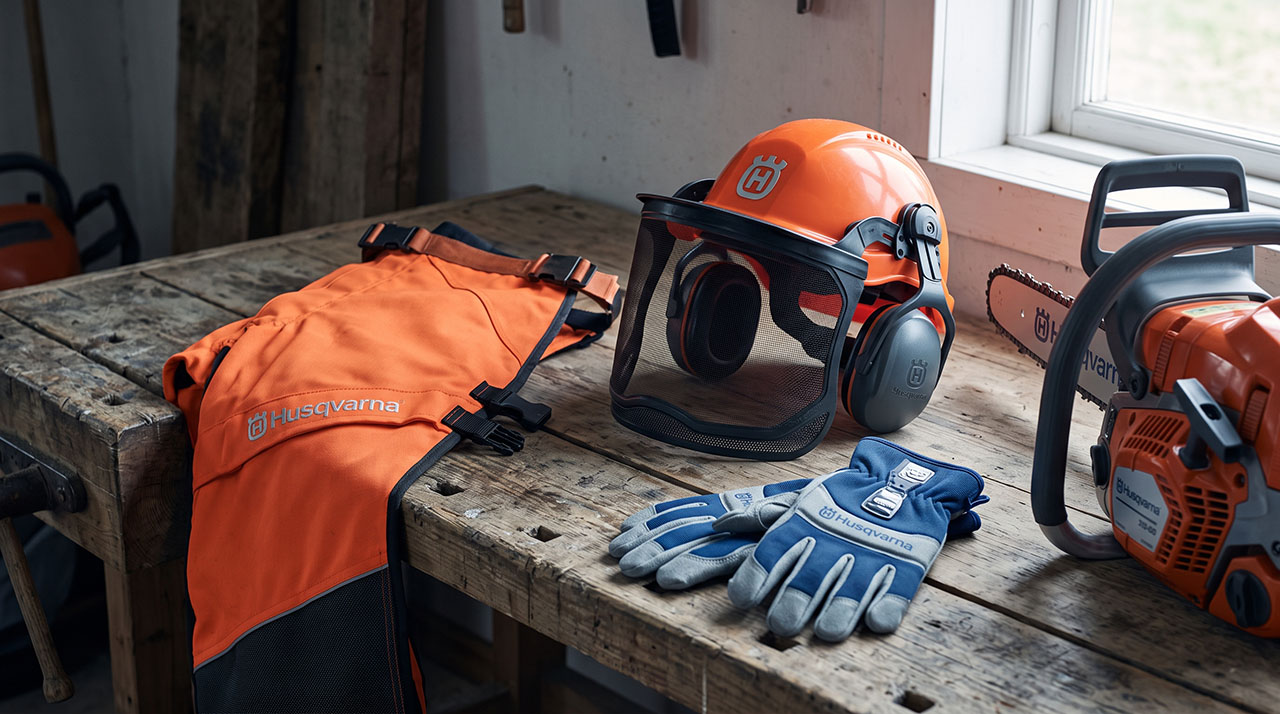
Husqvarna chainsaw protective clothing might seem like an expensive extra. It feels like an added cost if you only cut firewood sometimes. For years, I wore thick work jeans. I thought basic safety glasses were enough. I thought I was totally safe from harm. I was wrong. I learned this the hard way. A stubborn oak branch almost caused a bad accident.
When I finally decided to upgrade my personal protective equipment, I tested many things. I quickly realized not all safety gear is equal. Today, I want to share my real experiences with you. You will learn exactly what works well. You will see what is comfortable in the summer heat. You will discover how this gear holds up in the tough, real woods.
Why I Finally Invested in Proper Chainsaw PPE
Taking safety seriously took me a long time. I always thought bad accidents only happened to careless people.
Then, my saw pinched in a fallen log. It jumped back violently. The spinning chain ripped right through the knee of my work jeans. Luckily, the chain brake stopped the blade just in time. I escaped without a scratch. That massive scare sent me straight online. I started looking for real protection that same afternoon.
| Common Safety Myth | The Hard Reality |
| Thick work jeans offer good protection. | Denim tears instantly on contact with a spinning chain. |
| Safety gear is only for daily logging pros. | Beginners are actually the most at risk for kickback injuries. |
| Heavy protective gear will slow me down. | Good gear builds confidence so you can work much smoother. |
The Close Call That Changed My Mind
After my close call, I started researching safety fibers. I learned how true cut-retardant gear actually works.
These garments do not just act like a hard plastic shield. Instead, they are packed with long, loose, strong fibers. If the chain hits your leg, these fibers instantly pull out. They jam the chainsaw sprocket in a fraction of a second. The saw stops instantly. That is when I knew I needed proper Husqvarna chainsaw protective clothing for every job.
Breaking Down the Core Husqvarna Safety Gear
Choosing new safety gear can feel very overwhelming at first. Husqvarna makes a lot of different styles and models.
They split their gear into lines like Classic, Functional, and Technical. I started with the basics. I just wanted something to save my legs, protect my head, and save my hearing. I did not need expensive professional logging gear. I just needed reliable homeowner safety.
Chainsaw Chaps vs. Protective Trousers
This was my biggest debate before spending any money. Should I buy apron chaps or full protective pants?
Chaps strap directly over your regular work pants. They are great if you share your gear with a friend. Trousers look exactly like regular pants. However, they have thick safety layers built right into the front legs. I ended up trying both styles over a few different cutting seasons.
| Feature | Husqvarna Chaps | Husqvarna Trousers |
| Getting Dressed | Very fast. Just buckle up over your pants. | Slower. You have to wear them as your actual pants. |
| Airflow | Open back design keeps your legs cooler. | Can get very hot during summer cutting sessions. |
| Mobility | Straps can sometimes catch on thick brush. | Very snug fit. They are great for climbing trees. |
The Helmet System (Visor and Earmuffs)
A chainsaw helmet is not just a standard construction hard hat. The Husqvarna forest helmet system is brilliant.
It combines three vital safety tools into one piece of gear. You get a hard plastic shell to block falling branches. You get thick ear muffs to block out roaring engine noise. You also get a metal mesh visor. This visor stops flying wood chips perfectly. The mesh is way better than clear plastic goggles. It never fogs up when you sweat.
| Helmet Feature | Real World Benefit |
| Metal Mesh Visor | Stops wood chips but lets air flow so you do not sweat blindly. |
| Attached Ear Muffs | Block loud engine noise. They flip up easily to hear voices. |
| Bright Orange Shell | Keeps you highly visible in dark woods or dense brush. |
What They Don’t Tell You About Fit and Comfort
Online reviews mostly talk about official safety test ratings. Very few people talk about daily comfort.
No one tells you how this gear actually feels after three hours of cutting heavy firewood. The first thing I noticed is the extra weight. Protective layers are surprisingly heavy. Husqvarna gear is lighter than older generic brands, but you still feel it. Sizing can also be very tricky to dial in perfectly.
Dealing with the Summer Heat
Cutting wood in the summer wearing safety gear is miserable. There is no way to sugarcoat this harsh fact.
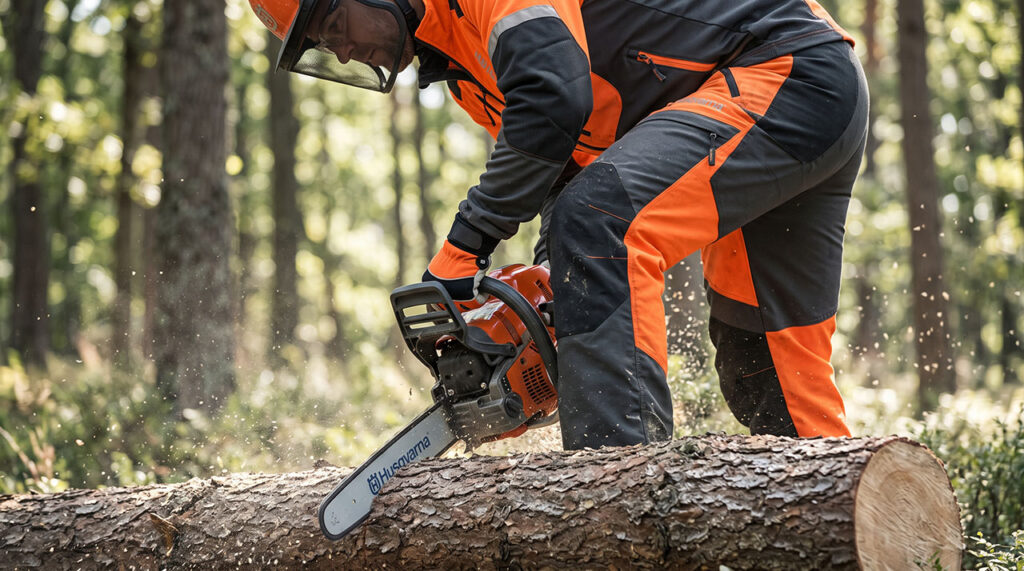
The special cut-retardant material does not breathe well at all. It acts exactly like a thick thermal blanket around your legs. I learned very quickly that I had to change how I worked during July and August. If I did not change my habits, I would overheat dangerously fast.
| The Overheating Problem | My Initial Mistake | The Better Solution |
| Getting too hot fast. | Pushing through to finish the job. | Cutting only in the early morning hours. |
| Chaps soaking in sweat. | Wearing thick denim jeans underneath. | Wearing lightweight moisture-wicking shorts under chaps. |
| Foggy safety glasses. | Taking them off to see clearly. | Relying on the helmet mesh visor instead. |
Understanding Chainsaw Safety Ratings Simplified
Before buying anything, you will see a lot of confusing numbers. The safety classes confused me for weeks.
These ratings tell you how fast the chain can move before the gear fails to stop it. It sounds super technical. However, it is very important for picking the right stuff for your specific saw power.
Husqvarna Chainsaw Cuts Out When Throttle Is Applied
What Class 1 and Class 2 Actually Mean
Husqvarna chainsaw protective clothing usually falls into European or US safety classes. Class 1 gear is very common.
Class 1 is rated to stop a chain moving at 20 meters per second. This covers almost all standard gas and battery saws for homeowners. Class 2 gear stops chains moving up to 24 meters per second. I chose Class 1 for my weekend firewood cutting. It is lighter. It is much easier to walk in. Class 2 is mostly for heavy-duty professional loggers using massive saws.
Mistakes I Made When Buying My First Set
When I first bought my Husqvarna chainsaw protective clothing, I wasted some money. I focused on all the wrong features.
I thought I needed the absolute highest level of protection available anywhere. I bought the heaviest, thickest gear I could find. It was a huge mistake. The gear was so bulky I could barely bend my knees. I could not easily pick up heavy logs from the ground.
Why Try-On Matters
You really need to move naturally in this gear before you work. Mobility is a huge part of overall safety in the woods.
If you stumble because your pants are too stiff, you are in real danger. I highly recommend putting on your new chaps at home. Do a few deep squats in your living room. If the crotch strap binds up, adjust it. If the knee pads sit too low, fix the waist height. A bad fit will chafe your legs raw.
| My Buying Mistake | The Better Approach I Wish I Knew |
| Guessing chap length by my pant inseam. | Measure chaps from your waist down to the top of your boot. |
| Buying cheap and loose work gloves. | Snug gloves give better trigger control and reduce hand fatigue. |
| Skipping real heavy-duty logger boots. | Dropping a heavy log on a soft toe hurts. Steel toes are a must. |
Hand and Foot Protection (The Forgotten Gear)
Many people buy the chaps and the helmet, then stop completely. I did the exact same thing at first.
I used standard leather yard gloves and basic hiking boots for my first year. That was a bad choice. Chainsaws vibrate violently. After a full day of cutting, my hands would tingle. They would go numb at night. Dropping heavy rounds of oak wood near my soft toes was also a scary daily risk.
Anti-Vibration Gloves
Husqvarna makes specific gloves with thick padding in the palms. This firm padding absorbs the harsh shock from the saw engine.
The first time I used them, I noticed a huge difference instantly. My hands did not cramp up that evening. These gloves also have cut-resistant fabric on the back of the left hand. The left hand is usually the most exposed area during a nasty kickback event.
Protective Logging Boots
You absolutely do not want to run a chainsaw in soft athletic shoes. I eventually bought proper steel-toed logging boots.
These boots have deep rubber treads for gripping muddy hills. Some premium versions even have cut-retardant material built right into the top layer. Good boots keep you firmly grounded. If you slip while holding a running saw, disaster can happen incredibly fast.
My Exact Pre-Cut Safety Routine
Over the years, I built a specific safety habit. Rushing into a cutting job is exactly how bad accidents happen.
I always lay my gear out flat on the tailgate of my truck. I check every single buckle on my chaps. I look closely for any cracked plastic clips. I make sure the straps are not tangled or frayed.
The Visual Inspection Habit
Next, I look over the outer shell of the pants. Walking through sharp briars can tear the outer fabric easily.
If there are any new tears, I make sure no inner safety fibers are pulling out. Finally, I wipe down my helmet visor. A dirty visor creates bad sun glare. This makes it hard to see the tip of my chainsaw bar. Taking five minutes to gear up properly shifts my mindset. It takes me from casual yard work to focused forestry work.
Husqvarna vs. Cheaper Generic Alternatives
Is the name brand really worth the extra cash? I asked myself this a lot when shopping online.
I saw generic chaps selling for half the price. I even bought a cheap generic helmet once to save money. The earmuffs broke off after a single week of heavy use. The cheap plastic head harness gave me a massive headache. The Husqvarna gear just fits my body better.
The Hidden Value of Comfort
When you buy premium gear, you are paying for comfort and long durability. The cut protection numbers might look similar on paper.
However, the daily experience of wearing it is totally different. If your safety gear is uncomfortable, you will find excuses not to wear it. You will leave it in the truck. The real value of Husqvarna gear is comfort. It is comfortable enough that I actually put it on every single time I grab my saw.
Maintenance: Keeping the Kevlar Functional
You cannot just throw chainsaw safety clothing into a normal laundry load. Dirt, bar oil, and sawdust can actually ruin the gear.
If the safety fibers get glued together by sticky bar oil, they fail. They will not pull out during a kickback event. I ignored washing my chaps for a whole year. When I finally read the manual, I realized I was putting myself at major risk.
How to Wash Chainsaw Gear (Without Ruining It)
Cleaning this specialized gear requires a very gentle touch. You have to remove the grime without shrinking the inner protective layers.
I use a mild laundry detergent. I never use harsh bleach. Bleach destroys the Kevlar fibers instantly. I also learned never to put these garments in the machine dryer. The extreme heat will warp the synthetic safety layers. It will also shrink the outer shell badly.
| Maintenance Issue | Troubleshooting Step |
| Machine Washing | Use a gentle cycle with warm water and mild soap only. |
| Drying the Gear | Always hang dry outdoors. Never use a hot machine dryer. |
| Repairing Snags | You can patch the outer shell. Never sew through the safety padding. |
Storing Your Gear Between Wood Cutting Seasons
When winter ends, my firewood chores are mostly done. Proper storage is vital to make your gear last for years.
You should never toss sweaty chaps into a dark, damp shed. Moisture will cause nasty mold to grow deep inside the safety padding. Mold weakens the fabric over time. It also makes the gear smell terrible next season.
Avoiding Mold and Mice Damage
I always wash and completely dry my gear before storing it away. I pack my Husqvarna chainsaw protective clothing inside a hard plastic tote.
Mice love to chew on the soft Kevlar fibers to build their nests. A plastic bin keeps the mice out entirely. It also keeps the fabric away from direct sunlight. UV rays break down synthetic materials very quickly if left exposed on a workbench.
Final Thoughts
At the end of the day, investing in proper PPE was the best decision I ever made for cutting firewood. It completely changed how I approach my hard work in the woods. I feel much calmer now. I know I am protected if a freak accident ever happens.
If you are on the fence, do not wait for a terrifying close call like I did. Get the chaps. Buy the helmet. Take the time to fit them properly. Your legs, your hearing, and your family will thank you for being smart.