How to Use a Chainsaw for the First Time Without Fear
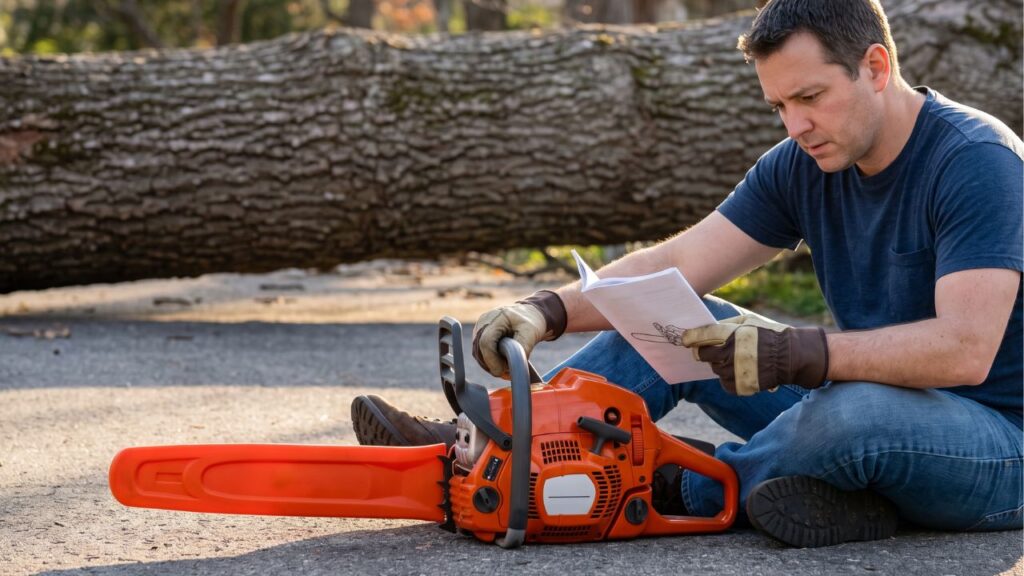
I still remember staring at the heavy machine sitting on my driveway. Figuring out how to use a chainsaw for the first time felt deeply intimidating. The noise, the sharp teeth, and the serious warnings from friends made me hesitate. But I had a massive fallen tree in my yard. Ignoring the mess was not an option.
If you feel nervous right now, that is a very good thing. A healthy respect for the tool keeps you safe. I wrote this guide to share what I learned during those early days. I will walk you through the actual steps, the dumb mistakes I made, and how to make your first cut with total confidence.
The Fear Factor: Getting Over the Initial Intimidation
When you pick up a chainsaw, your brain naturally screams a little. The machine is loud. It vibrates in your hands. It looks very dangerous.
But modern saws pack incredible safety features. Once I understood how the tool worked, my fear turned into respect. You do not need to be a huge lumberjack to run one safely. You just need clear rules and a steady head. Take a deep breath and start slow.
| Common Chainsaw Fear | The Reality of the Situation |
| The saw will fly out of my hands. | Good grip and proper stance keep you in full control. |
| It will cut my leg instantly. | Safety chaps stop the chain before it reaches your skin. |
| I am not strong enough to use it. | The weight of the saw does the work, not your muscles. |
Essential Gear Before You Touch the Saw
I thought old jeans and a good pair of boots were enough. I was totally wrong. A chainsaw chain moves very fast. Standard clothing will not protect you at all.
Why Regular Clothes Will Not Cut It
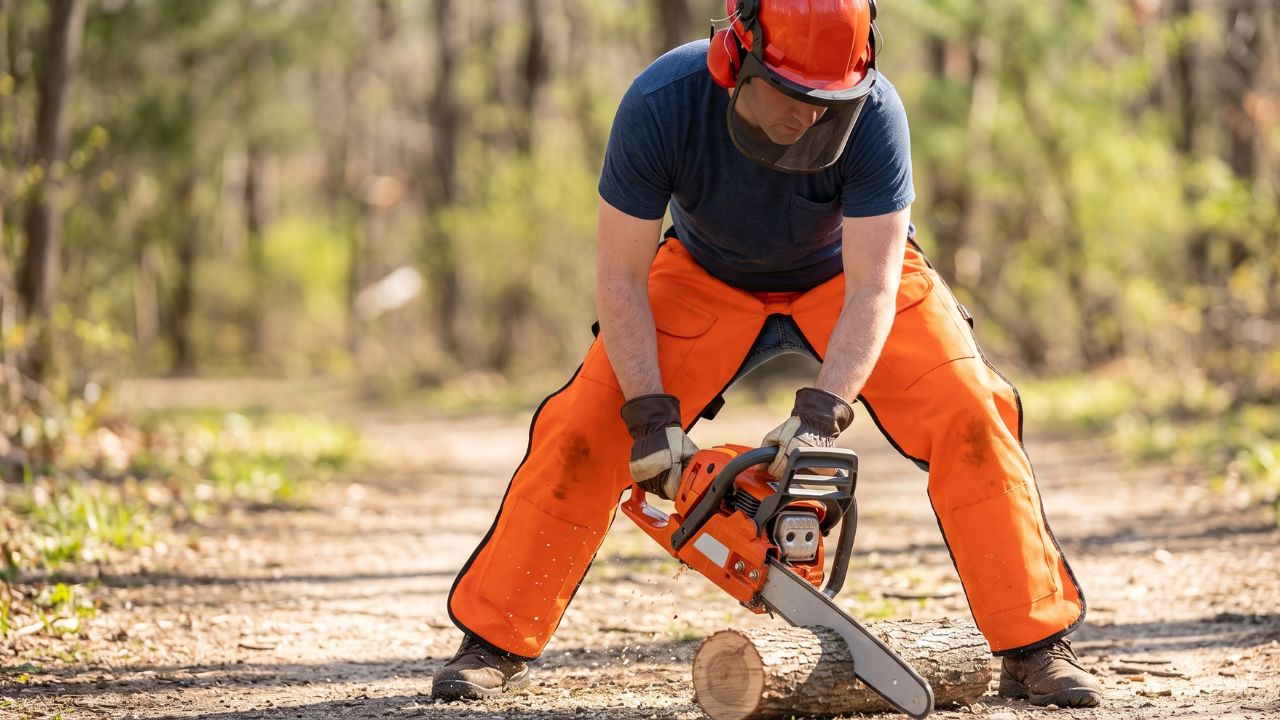
You have to invest in real safety gear. This is never optional. I delayed buying chaps because they seemed expensive. Once I saw how easily a saw cuts a thick log, I bought them that same day.
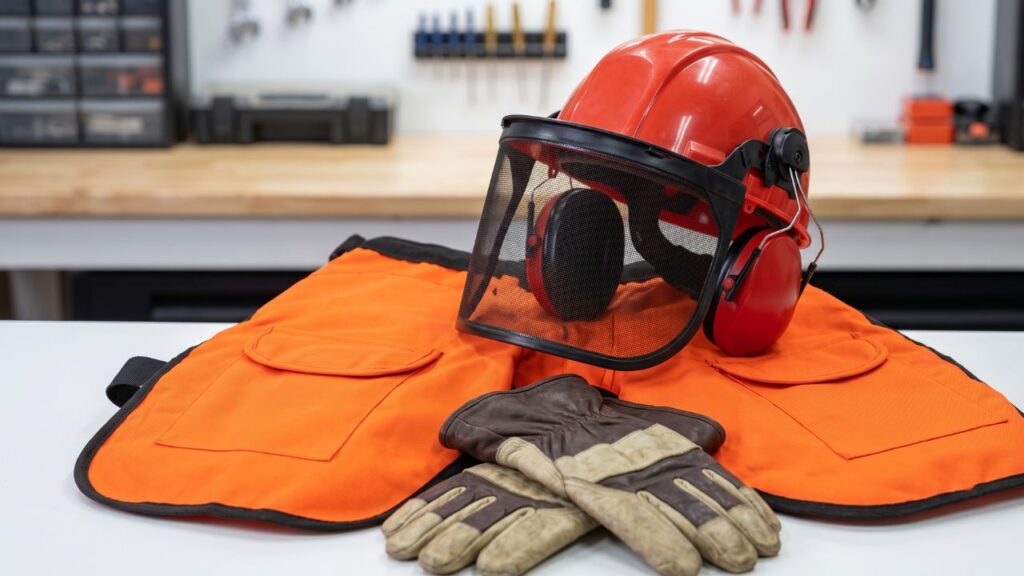
| Required Safety Gear | Why You Need It | What Happens Without It |
| Chainsaw Chaps | Contains tough fibers that jam the saw sprocket. | High risk of severe leg injury. |
| Helmet and Face Shield | Blocks falling branches and flying wood chips. | Bad eye damage or head trauma. |
| Heavy Duty Gloves | Gives you a solid grip and stops hand slips. | Blisters or total loss of saw control. |
Protecting Your Hearing
Gas chainsaws are insanely loud. They can easily damage your hearing permanently. I wore cheap earplugs on my first day. My ears rang for hours afterward. Now, I always wear heavy ear muffs attached to my helmet.
Understanding Your Machine Before Starting
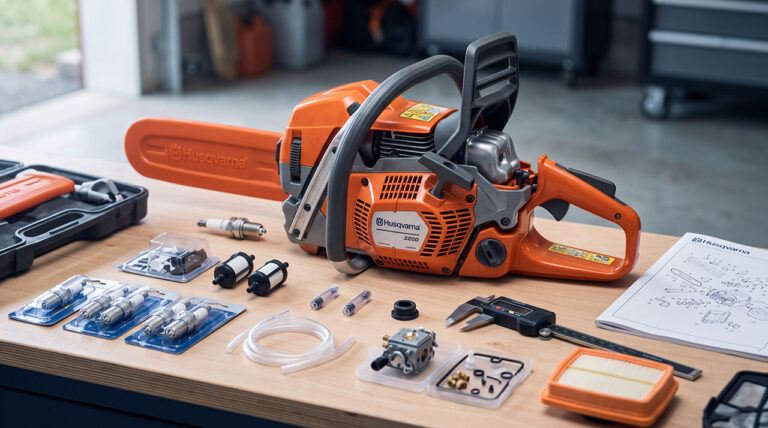
Before you pull the cord, look at the tool closely. Learn what each part does. I spent an hour reading the manual just to find the buttons.
Gas vs. Electric: What to Know
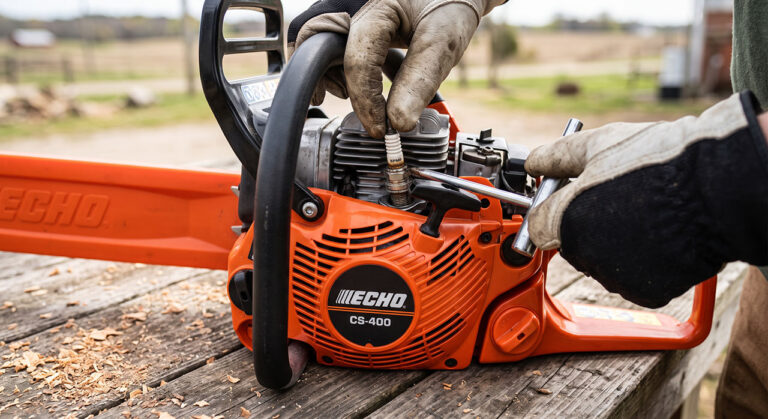
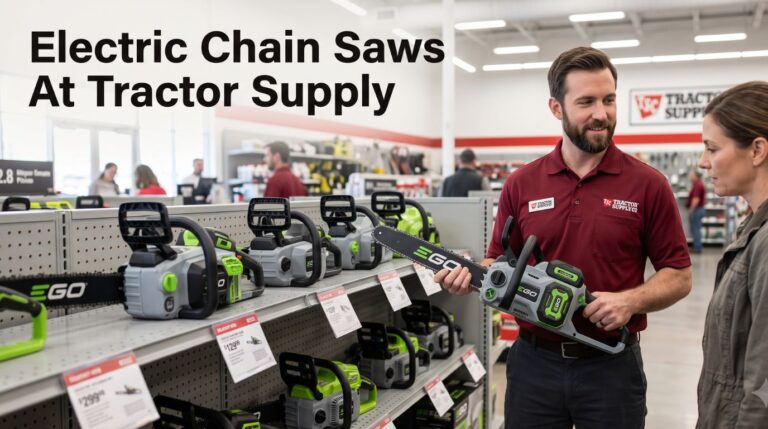
I started with a loud gas model. It required mixing fuel and learning how to choke the engine. Today, battery-powered chainsaws are amazing for beginners. They start with a simple button push. They also require much less upkeep.
The Chain Brake: Your Best Friend
This is the plastic guard in front of your top hand. If the saw kicks back, your wrist hits this guard. This stops the chain instantly. I test my chain brake every single time I use my saw.
| Chainsaw Part | What It Actually Does | Common Beginner Mistake |
| Chain Brake | Stops the chain during dangerous emergencies. | Trying to start the saw with the brake off. |
| Bar Oil Reservoir | Keeps the metal chain fully lubricated. | Forgetting to fill it, causing the bar to burn. |
| Throttle Trigger | Controls the speed of the spinning chain. | Gripping it gently instead of pulling it fully. |
Step-by-Step: How to Use a Chainsaw for the First Time
This is where the real work begins. Rushing is exactly how accidents happen. I always run through a quick mental checklist before I begin.
Step 1: Pre-Flight Checks
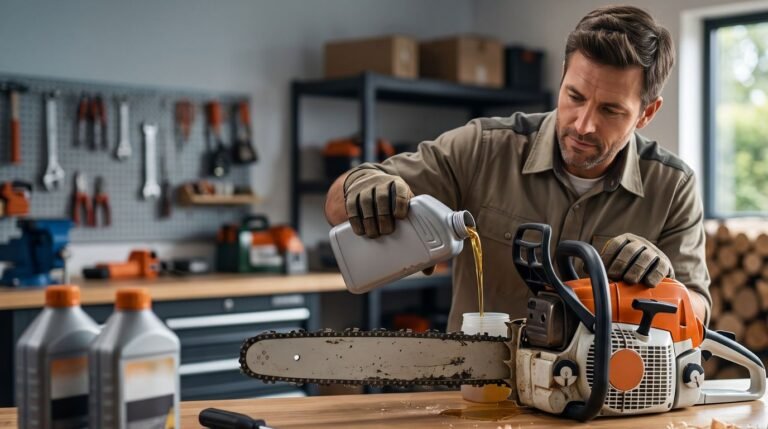
Check the fuel level first. Then, check the bar oil level. Your saw needs both to run well. Pull the chain slightly to check the tension. It should snap back tightly against the bar. Push the chain brake forward to lock the chain.
Step 2: The Starting Sequence
Put the saw flat on the ground. Step your right foot into the back handle. Grip the top handle firmly with your left hand. Pull the cord hard until the engine coughs. Adjust the choke and pull again. It might take a few tries.
Step 3: Making Your First Cut
Find a small branch resting on the ground. Stand with your feet apart. Squeeze the trigger fully before the blade touches the wood. Never cut with half power. Let the sharp teeth pull the saw down into the log.
| Action | Correct Method | Dangerous Approach |
| Starting the Engine | On the ground, foot firmly in the handle. | Drop-starting the saw high in the air. |
| Throttling the Saw | Full speed before touching the wood. | Revving slowly while resting on the bark. |
| Body Stance | Feet wide apart, knees bent slightly. | Standing straight up with feet close together. |
The Kickback Zone: What I Wish I Understood Sooner
Kickback is the scariest part of chainsaw work. It happens faster than you can blink. I experienced a minor kickback early on. It rattled my nerves for the rest of the day.
How Kickback Happens
Look at the tip of the chainsaw bar. The upper half of that rounded tip is the danger zone. If that specific spot hits solid wood, the chain grabs it. The force throws the saw up toward your face.
How to Prevent It Completely
Never cut anything with the tip of the bar. Always cut with the flat bottom of the bar. Keep your left thumb wrapped fully under the top handle. This strong grip stops the saw from flying up.
| Saw Position | Risk Level | Safety Recommendation |
| Bottom flat edge of the bar | Low | Best for standard downward cuts. |
| Top flat edge of the bar | Medium | Good for upward cuts, but the saw pushes back. |
| Upper curved tip of the bar | Very High | Never use this part of the bar for anything. |
Reading the Wood Before You Cut
Wood bends and shifts as you cut it. I did not know this at first. I just started slicing into logs blindly. I got my saw stuck multiple times.
Tension and Compression
Logs usually bend under their own weight. The top of a bending log gets squeezed together. This is compression. The bottom pulls apart. This is tension. You always want to finish your cut on the tension side.
Avoiding a Pinched Bar
If you cut down into the compression side, the wood pinches the blade tight. I got my saw stuck so badly once that I had to use wedges to free it. Now, I always plan my cuts based on how the wood bends.
Mistakes I Made During My First Few Cuts
I messed up quite a bit early on. I ruined a good chain and wasted a lot of sweat. Learning how to use a chainsaw for the first time means making a few clumsy errors.
Forcing the Saw Down
I pushed down very hard on my first cuts. I thought I needed muscle. A sharp saw cuts by itself. If you have to push, your chain is dull. Pushing just ruins your arms and tires you out fast.
Cutting Dirt and Rocks
I cut straight through a log and hit the dirt underneath. Just one second in the dirt ruined my sharp chain. Dirt acts like heavy sandpaper on the metal teeth. I had to stop and sharpen the chain immediately.
Working While Tired
Chainsaw work wears you out quickly. After two hours, my arms felt like jelly. I made sloppy cuts. Now, I stop working the minute I feel tired. Fatigue causes terrible accidents.
| Common First-Timer Mistake | The Direct Result | How to Fix It Faster |
| Cutting into the ground dirt | Instantly dulls the sharp metal chain. | Stop halfway, roll the log, cut from the top. |
| Cutting branches at eye level | Total loss of balance and body control. | Never cut anything above your own shoulders. |
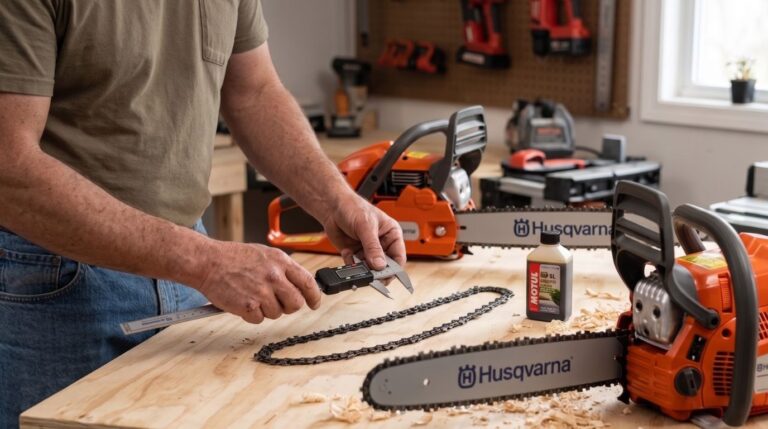
| Ignoring a loose chain | The chain falls off the bar mid-cut. | Check chain tension every time you add fuel. |
Cleaning Up and Shutting Down
When you finish cutting, do not just toss the saw in the garage. Turn it off fully. Let the hot engine cool down.
Basic Saw Maintenance
Brush off the thick sawdust from the bar. Take off the side cover and clean the oily mess inside. If you take care of the saw, it starts easily the next time. A dirty saw causes parts to break down faster.
Storing Your Saw
If you plan to store a gas saw for winter, drain the fuel tank. Old gas ruins small engines quickly. I run my saw until it dies completely to clear the lines. Then I put it away safely.
Learning how to use a chainsaw for the first time takes genuine patience. It is normal to feel nervous. Buy the right safety gear, respect the kickback zone, and take your time. Every single cut gets a little easier as you build muscle memory.
My best advice is to start very small. Do not tackle a massive tree on day one. Cut up small branches resting flat on the ground. Build your basic confidence slowly. Before long, you will feel entirely comfortable handling this powerful tool.