Ryobi 5 1/2 Circular Saw Blade Review : My honest Guide
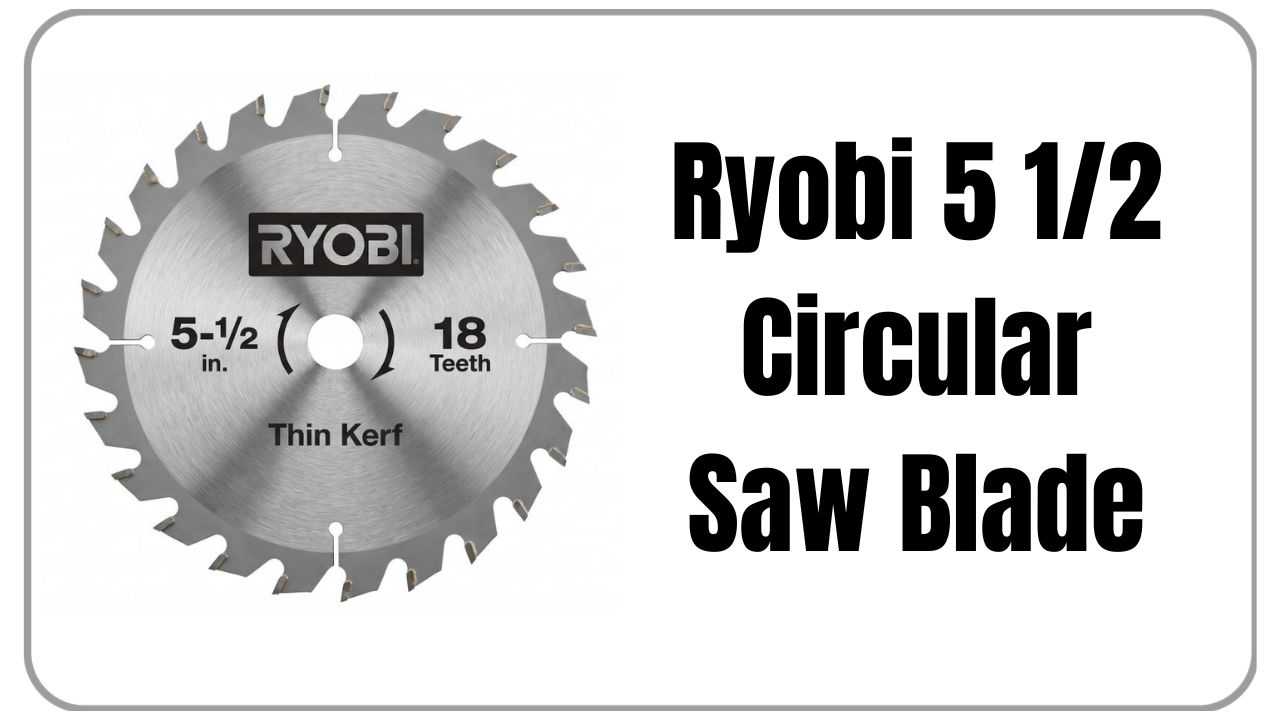
I bought my small saw mostly for quick fixes around my house. New tools often come with mystery blades out of the box. That curiosity led me to write this Ryobi 5 1/2 circular saw blade review. I really wanted to know if this small blade could handle real weekend projects.
I spent the last few months pushing this exact blade through framing lumber, scrap plywood, and trim pieces. I made plenty of annoying mistakes along the way. But I also learned exactly what this small blade can and cannot do. If you are sitting in your garage wondering whether to keep it or buy an upgrade, here is everything I found out.
What Makes This Thin Kerf Blade Different
Before making my very first cut, I noticed how incredibly light and thin this blade feels. It looks completely different compared to a heavy standard seven-inch blade. This thin kerf design is not just a cheap choice. It serves a highly useful purpose for small cordless tools.
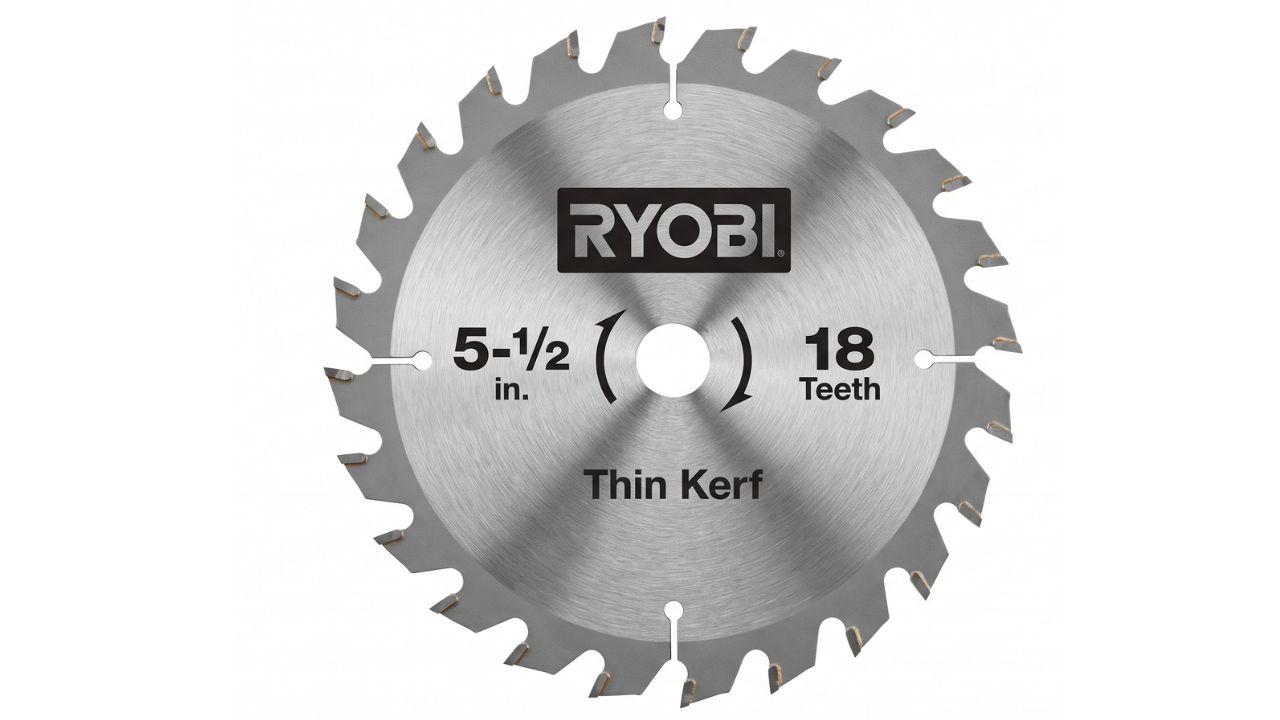
Thin blades remove a lot less material when they cut wood. Less material removed means the battery does not have to work as hard. This keeps the tool from stalling out when you push it through dense boards.
| Design Feature | Real World Benefit |
| Thin kerf profile | Removes less wood, saving valuable battery power |
| Carbide tips | Stays sharp much longer after hitting small knots |
| 18-tooth count | Provides fast, aggressive cuts on rough framing lumber |
Cutting Performance on Common DIY Materials
You cannot truly judge any power tool until you make a huge mess in your garage. I tested this factory blade on the most common building materials a weekend DIYer actually uses.
Tearing Through 2×4 Pine Studs
My biggest initial worry was that a small five-inch blade would bog down quickly in thick lumber. Thankfully, this blade handles standard two-by-fours surprisingly well. I used it to build a simple workbench and it never failed.
It slices clean through dry pine without any dramatic motor stalling. You just have to let the thin blade eat at its own pace.
| Lumber Type | My Cutting Experience |
| Dry pine 2×4 | Clean, fast, and no motor stalling at all |
| Wet or treated 4×4 | Takes two full passes, motor slightly struggles |
| Hardwood scraps | Very slow going, leaves dark ugly burn marks |
Dealing with Plywood and Sheet Goods
This is where things got a bit tricky for me during my indoor projects. Because this is basically a fast framing blade, it is not meant for delicate finishing work. I actually ruined a nice expensive piece of birch plywood by rushing a quick crosscut.
The wide teeth spacing on this blade tears up the wood grain on thin sheets. You really have to prepare your wood carefully if you want a clean edge.
| Plywood Type | Result with Ryobi Blade | Easy Fix for Better Cuts |
| Rough OSB sheets | Cuts easily, edges look totally fine | No extra steps needed |
| Birch veneer panels | Heavy splintering on the top side | Put masking tape over the line |
| Thick heavy MDF | Creates lots of dust, edge needs sanding | Score the line with a utility knife |
The Hidden Battery Drain Factor
One thing I completely misunderstood initially was how much a saw blade directly impacts battery life. I used to wrongly think the saw motor did all the heavy lifting. I learned the hard way that a dull or overly thick blade drains an 18V battery incredibly fast.
Because this specific blade is designed with a very thin profile, it severely cuts down on motor friction. I found that I could easily frame a small shed wall on a single four-amp-hour battery. The tool never cried for mercy or overheated in my hands. If you swap to a heavier aftermarket blade, be prepared to charge your batteries twice as often.
Changing the Blade and Arbor Issues
Swapping out a saw blade sounds incredibly simple until you actually try to do it the first time. The very first time I tried to remove this blade, I completely forgot about the reverse thread safety screw. I felt foolish pulling on the wrench the wrong way for ten minutes.
You also have to pay very close attention to the arbor size. This specific saw uses a small hole size in the center of the blade. You cannot just slap any random five-inch blade from the local hardware store onto this tool.
| Common Mistake | The Better Approach |
| Turning the bolt left | Turn right to safely loosen a circular saw bolt |
| Buying a 5/8-inch blade | You must buy a 3/8-inch or 10mm arbor blade |
| Losing the hex key | Always store it in the built-in slot on the saw |
Safety Habits for Thin Kerf Blades
Small saws feel much less intimidating than massive corded saws. However, that false sense of security can get you hurt. This thin blade flexes easily if you push it wrong.
If you twist the saw even slightly while cutting, the thin blade binds up instantly. This causes dangerous kickback, where the saw jumps backward out of the wood. I had this happen once when cutting a wet piece of decking. It scared me straight. Always keep the metal base plate perfectly flat against the wood.
Frustrations I Ran Into
No tool is absolutely perfect right out of the box. I definitely hit a few annoying roadblocks while getting used to this blade setup. The small size takes a lot of mental adjustment if you are used to wielding a heavy full-size saw.
The biggest daily issue I faced was blade deflection. Because the metal disc is so thin, the blade can wobble if you push it too hard sideways. This ruins your perfectly straight line instantly.
| Problem I Faced | My Simple Solution |
| Blade binding in the wood | Support the wood safely on both sides of the cut |
| Crooked or wavy cuts | Stop pushing sideways, gently guide against a square |
| Wood smoking during a cut | Slow down your pace, or accept the blade is finally dull |
Who Should Actually Keep This Blade?
People constantly ask in woodworking forums if they should throw the factory blade straight into the trash. Honestly, I think that is a huge waste of perfectly good money. It depends entirely on what your daily home projects look like.
If you are just doing basic home repairs, building rough shelves, or fixing a fence, this blade works perfectly fine. You only need to spend your hard-earned money on an upgrade if your specific projects require flawless edges.
| User Goal | My Honest Recommendation |
| Rough framing and quick repairs | Keep it. It handles rough wood cuts perfectly. |
| Custom cabinetry and indoor trim | Upgrade right away to a 40-tooth finish blade. |
| Demolition and heavy salvage work | Keep it, but watch out closely for hidden nails. |
Final Thoughts
After putting it firmly through the wringer, my final Ryobi 5 1/2 circular saw blade review comes down to having realistic expectations. This is clearly not a premium tool meant for a professional cabinet shop. However, for the average busy homeowner making quick functional cuts in the backyard, it is surprisingly tough. It easily keeps your cordless saw running smoothly and efficiently all day long.
My best practical advice is to run this exact factory blade until it goes completely dull on your rough framing projects. Do not waste money replacing it on day one. Once you start noticing dark burn marks or heavy wood tear-out, you can easily justify buying a specialized blade. Until then, slap it on your saw, stay safe, and get back to your weekend projects.
Affiliate Disclosure: As an Amazon Associate, I earn from qualifying purchases. If you click through links in this article and make a purchase, I may receive a small commission at no extra cost to you. This support helps fund independent research and allows me to keep bringing you honest, practical product guides.