Electric Chainsaws at Harbor Freight: My Honest Take After Using Them
I remember staring at a massive pile of fallen oak branches in my backyard after a heavy summer storm. I needed a tool to clean up the mess, but I really did not want to deal with a heavy, loud gas saw. That is when I decided to look closely at the electric chainsaws at Harbor Freight. I had heard mixed reviews about them online. Some people loved them, while others said to avoid them entirely. But the low price tags were very hard to ignore.
If you are thinking about buying one, you probably have the same questions I did. Are they actually powerful enough to cut real wood? Will the plastic parts break after one use? In this guide, I will share exactly what I learned from buying and using these budget-friendly saws. You will find out which models actually work, common mistakes to avoid, and what to realistically expect when you take one out into your yard.
Why I Started Looking at Electric Chainsaws at Harbor Freight
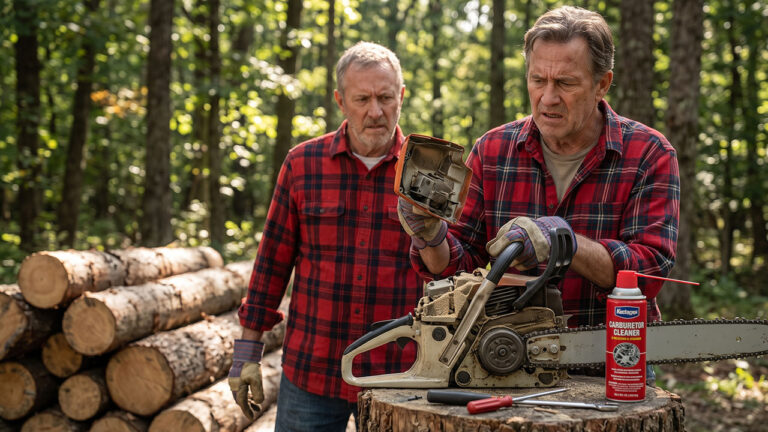
I used to own an old gas-powered saw. It was great when it actually started. But most of the time, I fought with bad carburetors, stale fuel, and flooded engines. My arm would ache just from pulling the starter cord. I just wanted something I could pick up, pull a trigger, and start cutting immediately.
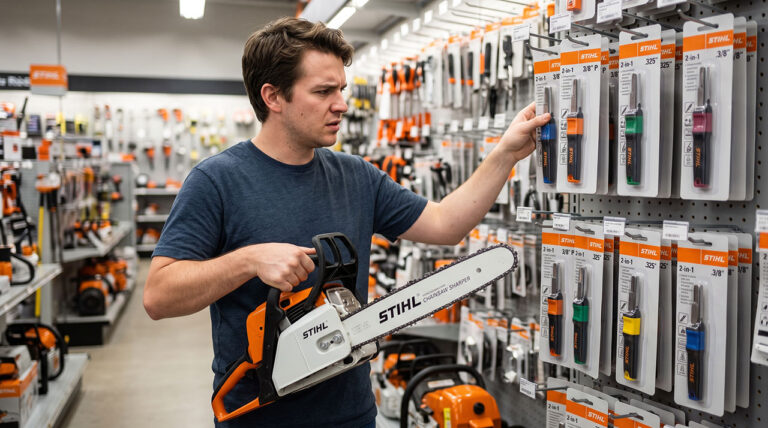
I walked into my local store to check out the electric chainsaws at Harbor Freight purely because of the price point. Name-brand electric saws at the big home improvement stores were easily double or triple the cost. I figured if a cheaper saw could just handle my weekend yard chores, it would easily pay for itself. But I quickly realized that not all of their models are created equal.
Leaving Gas Behind
Switching to electric power changes how you do yard work. You no longer come inside smelling like exhaust fumes. You do not have to drive to the gas station to buy ethanol-free fuel. You just grab a battery off the charger and go to work.
| Feature | Old Gas Saws | HF Electric Saws |
| Startup Process | Pull cord, prime, choke | Push a button |
| Noise Level | Requires ear protection | Quiet, low hum |
| Maintenance | High (fuel, spark plugs) | Low (just bar oil) |
Corded vs. Cordless: Figuring Out the Harbor Freight Lineup
Harbor Freight does not just sell one type of saw. They carry a few different in-house brands. Figuring out which platform to buy into was my first big hurdle. I spent a long time staring at the boxes trying to understand the differences.
The Portland Corded Option
This is the absolute cheapest option they sell. It is a 9-amp corded saw. At first, I laughed at the idea of dragging a corded saw around. But honestly, it surprised me. It is incredibly lightweight. You never have to worry about a battery dying halfway through a thick log.
The biggest downside is obviously the extension cord. Dragging a heavy 100-foot cord around trees is annoying. I also accidentally snagged my own extension cord on a branch once. If you only have a small yard and a very tight budget, the Portland is surprisingly capable. Just make sure you buy a bright orange cord so you can see it in the grass.
The Bauer 20V Battery Saw
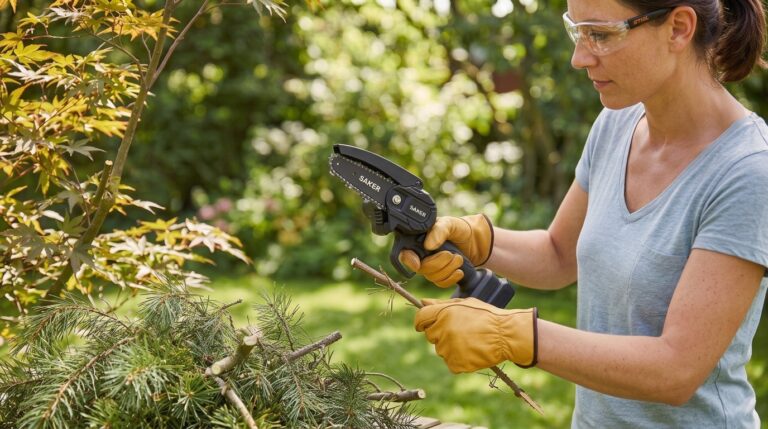
I stepped up to the Bauer line later because I already owned a few Bauer power drills. The 20V saw is small and compact. It uses a 10-inch bar. It feels almost like a toy when you first hold it in your hands.
But for light pruning, it is fantastic. I use it to trim low-hanging branches and cut up small limbs for my backyard fire pit. Do not expect to cut down a whole tree with this tool. The 20V motor bogs down quickly if you press too hard into thick wood.
Milwaukee Mini Chainsaw M18: My Honest Field Review
The Atlas 40V and 80V Saws
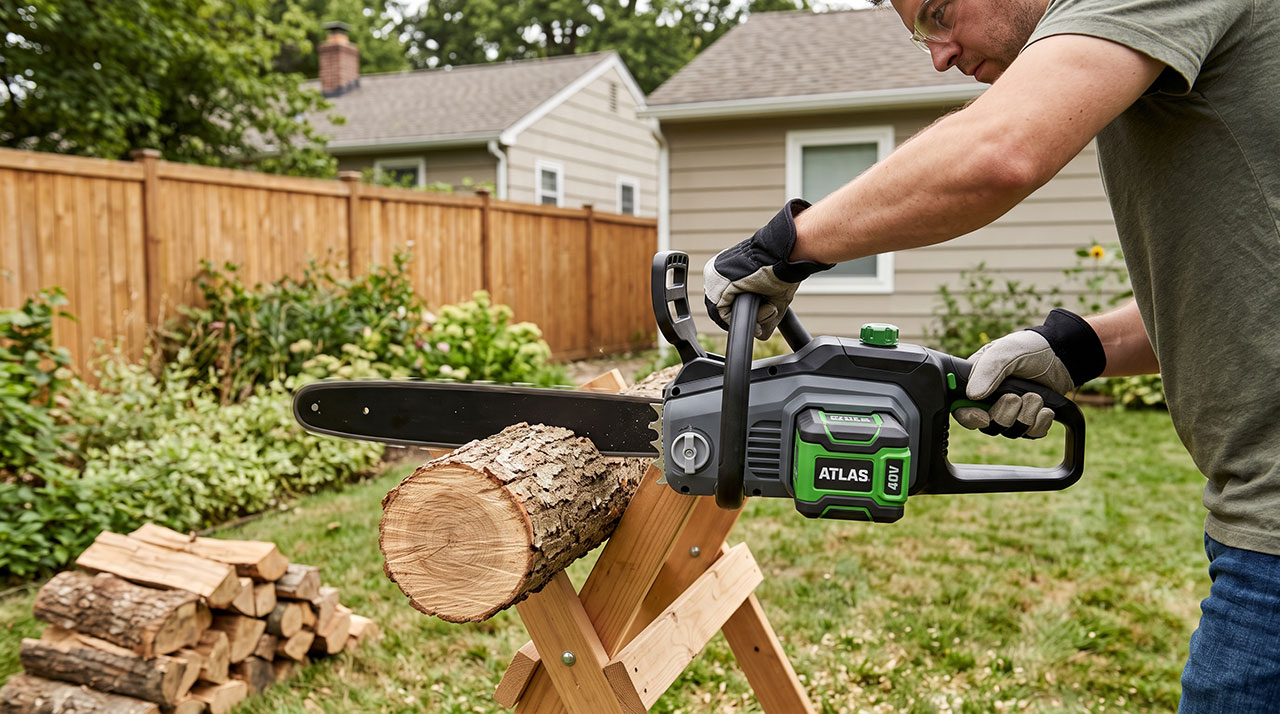
If you want real power, the Atlas line is where you need to look. I eventually bought the 40V version. It feels much closer to a real gas saw. The plastics are thicker. The bar is longer. It feels balanced in your hands.
The 80V version is an absolute beast. It cuts through thick oak logs without hesitating. The batteries are expensive, though. If you buy the tool, the battery, and the fast charger, you are getting close to name-brand prices. But the cutting performance is definitely there.
| Brand | Power Source | Best Used For |
| Portland | AC Wall Outlet | Small yards, tight budgets |
| Bauer | 20V Battery | Light pruning, small limbs |
| Atlas | 40V / 80V Battery | Medium trees, firewood |
Common Mistakes I Made When First Using Them
When I first started using electric chainsaws at Harbor Freight, I made some silly errors. I treated them like they were indestructible professional tools. They are not. Learning how to use them correctly saved me a lot of frustration and money.
Forgetting About the Bar and Chain Oil
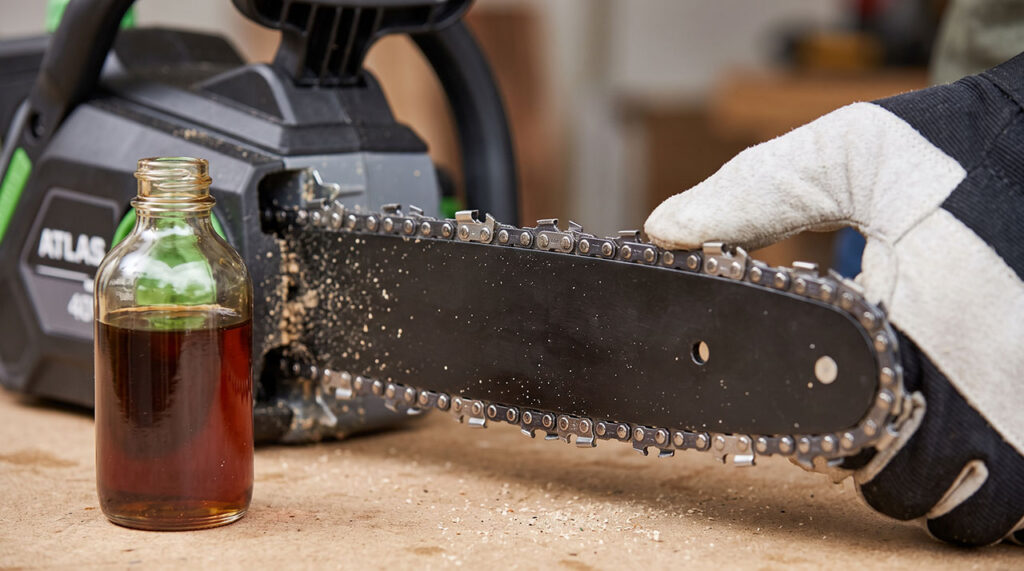
Just because a tool is electric does not mean it runs totally dry. I almost ruined a chain on my first day because I forgot to check the oil reservoir. The metal chain spins incredibly fast. Without oil, the friction creates massive heat.
These cheap saws are also notorious for leaking oil while they sit in storage. Now, I always store my saw on an old piece of cardboard. I also make it a habit to check the oil window every single time I change the battery. If the chain gets dry, it stretches out and gets dull incredibly fast.
Pushing Too Hard During Cuts
With a big gas saw, you can lean your body weight into the cut a bit. If you do that with a battery-powered Harbor Freight saw, the motor will stall out completely.
I had to learn to let the tool do the work. The built-in safety sensors will cut the power if the motor gets too hot or draws too much current. If your saw keeps stopping in the middle of a log, you are pushing too hard. Lighten up your grip. Let the sharp teeth of the chain chew through the wood at their own pace.
Cutting Straight Into the Dirt
This is a rookie mistake I made while cutting up a stump. I let the tip of the moving chain hit the soil. Dirt and rocks act like sandpaper. Hitting the ground will dull a sharp chain in literally two seconds.
Now, I always cut logs up off the ground. I roll them over with my boot to cut the bottom side. Keeping the chain out of the dirt keeps the saw cutting fast and straight.
| Common Mistake | Better Approach |
| Storing saw full of oil | Store on thick cardboard to catch leaks |
| Forcing the blade down | Let the weight of the saw do the cutting |
| Hitting the dirt | Prop logs up before making final cuts |
Real-World Quirks You Should Know About
Using these budget tools in the real world revealed a few weird quirks. They are far from perfect. You are paying a budget price, so you have to accept a few budget flaws along the way.
The Chain Tensioner Issues
The tool-less chain tensioning dials on the Portland and Bauer saws seem like a neat idea. You just spin a plastic dial to tighten the chain. But in practice, the heavy vibrations knock them loose.
I found myself having to stop every ten minutes to re-tighten the chain. If the chain gets too loose, it will pop right off the metal bar. That is dangerous and annoying to fix. The bigger Atlas saws use standard metal nuts and a wrench. That holds tension much better. I much prefer the old-school metal bolts over the cheap plastic dials.
Battery Overheating in the Summer
I tried cutting up a fallen maple tree in late July. It was 95 degrees outside. My 40V battery kept shutting down every five minutes. I thought the saw was broken.
It turns out that lithium-ion batteries have heat sensors inside. When they get too hot, they shut off to prevent a fire. I learned that doing heavy yard work in the dead of summer requires taking frequent breaks. Keep your spare batteries sitting in the shade. Never leave them sitting in the direct sun on a hot driveway.
| Tool Symptom | Likely Cause |
| Saw suddenly stops cutting | Battery overheated or motor overloaded |
| Chain comes off the bar | Plastic tension dial vibrated loose |
| Wood starts smoking | Chain is dull or out of bar oil |
Simple Upgrades That Make a Huge Difference
One of the best lessons I learned is that you do not have to use the cheap stock parts forever. The chains that come in the box from Harbor Freight are just okay. They cut well at first, but they lose their edge pretty fast.
Swapping Out the Chain
I highly recommend upgrading the cutting chain right away. I bought a high-quality Oregon brand chain from a local hardware store that fit my Harbor Freight bar.
The difference was like night and day. The saw cut much faster. It threw bigger wood chips instead of fine sawdust. The motor did not have to work as hard, which meant my battery lasted much longer. It is the best twenty dollars you can spend on these saws. Just look at the side of your guide bar to find the exact pitch and gauge numbers before buying a new one.
Using Better Bar Oil
At first, I used the absolute cheapest generic motor oil I could find in my garage. That was a big mistake. Standard motor oil is way too thin. It slings right off the tip of the bar and makes a mess.
You need to buy actual, sticky bar and chain oil. It has special additives that make it cling to the spinning metal. This greatly reduces heat and friction. Using the right heavy oil keeps the internal pump working properly. It also keeps your budget saw running smoothly for years instead of just months.
| Budget Part | Premium Upgrade Idea |
| Stock HF Chain | Name-brand Oregon Chain |
| Cheap generic oil | Tacky Bar and Chain Oil |
| Leaving saw in the shed | Buying a canvas chainsaw bag |
Maintenance Habits to Keep Them Running
People often complain that budget tools break quickly. But honestly, it is usually because they never clean them. Electric saws require much less maintenance than gas models, but they still need basic care after each use.
Cleaning the Sprocket Area
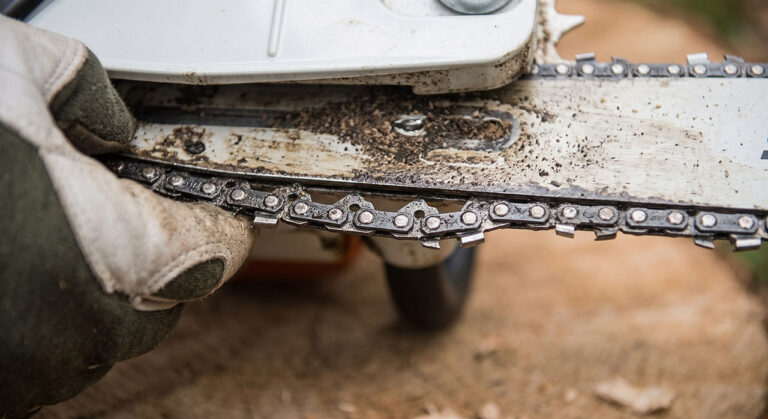
Every time I finish cutting for the day, I take the plastic side cover off. Oily sawdust mixes together to turn into a thick, sticky paste. It packs tightly into the drive sprocket gears.
If you just leave it there, it hardens like concrete overnight. The next time you pull the trigger, the electric motor has to fight through that hard junk. I keep an old toothbrush in my tool bag just to scrub this area out. It takes two minutes and saves the motor from burning itself out prematurely.
Checking the Bar for Wear
The flat metal bar that guides the chain takes a massive amount of abuse. After a few months, I noticed my cuts were starting to curve sharply to one side.
I learned that the metal guide bar gets sharp burrs on the edges over time. I run a flat metal file down the edge of the bar every few weeks to keep it totally smooth. I also flip the bar upside down every single time I clean the saw. This simple trick makes the metal wear evenly on both the top and bottom, effectively doubling the life of the bar.
Who Should Actually Buy These Saws?
So, are these tools actually worth your hard-earned money? It honestly depends entirely on what kind of property you own and how much heavy work you plan to do. They fit a very specific type of user.
Perfect for Suburban Homeowners
If you live in the suburbs and just need to trim a few trees every spring, these are absolutely perfect. You do not need a massive, heavy professional logging saw just to cut up a broken backyard branch.
The electric chainsaws at Harbor Freight are cheap, super easy to store on a garage shelf, and always ready when you need them. You do not have to worry about winterizing them. You just charge the battery, fill the oil, and go.
Not for Heavy Farm Use
If you heat your home with a big wood stove and need to cut full cords of firewood every winter, look elsewhere. These tools are simply not built for all-day commercial logging.
The plastic internal gears and brushed motors will eventually fail under extreme, continuous daily loads. Know your exact limits. Buy the tool that actually matches your real workload. If you try to push a budget saw to do a professional job, you will only end up frustrated.
| User Profile | Is It A Good Fit? |
| Suburban homeowner | Yes, perfect for light yard cleanup |
| Weekend camper | Yes, great for cutting small campfire wood |
| Professional arborist | No, lacks durability for heavy daily use |
Final Thoughts
Buying budget tools always comes with a small bit of a gamble. But my personal experience with the electric chainsaws at Harbor Freight has been mostly positive. They saved me a lot of money up front and completely spared me the headache of mixing gas and cleaning dirty carburetors.
Just remember to manage your personal expectations. Keep the oil tank full, let the tool do the heavy work, and definitely invest in a better replacement chain. If you treat these budget saws with just a little bit of care and respect, they will easily handle almost all the cleanup projects around your yard.