How to Oil a Mini Chainsaw ? My Simple Guide
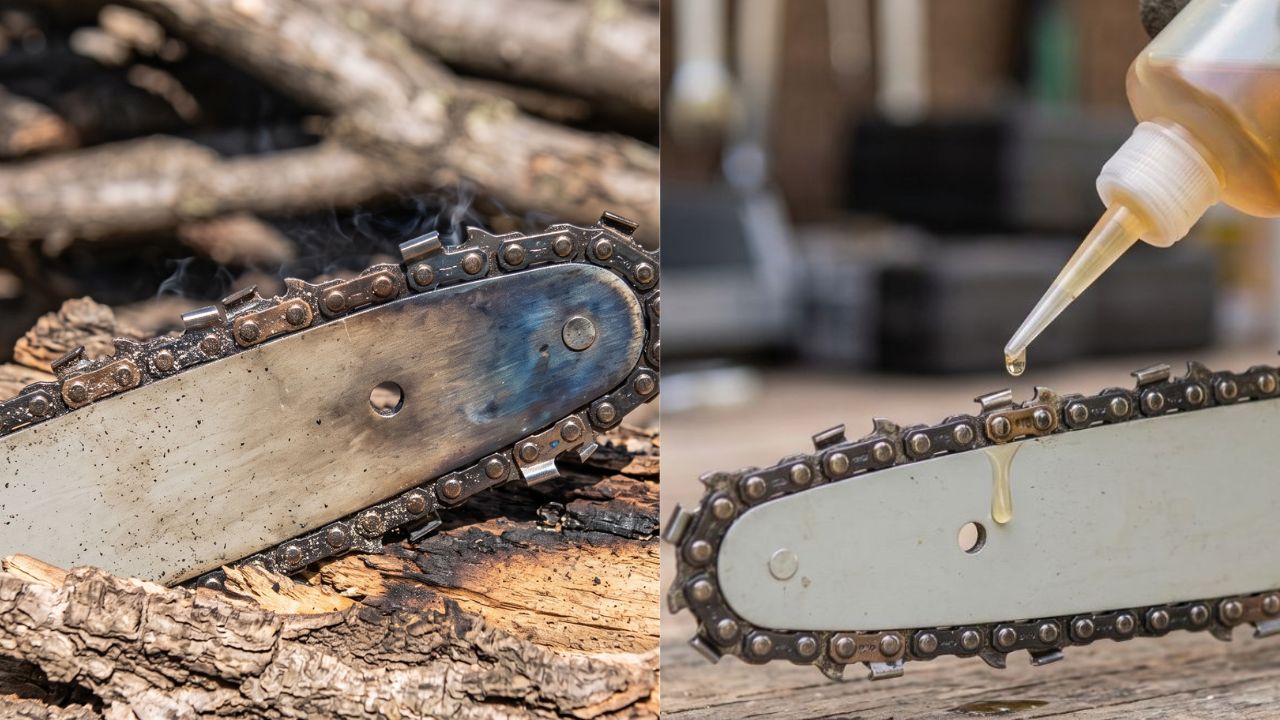
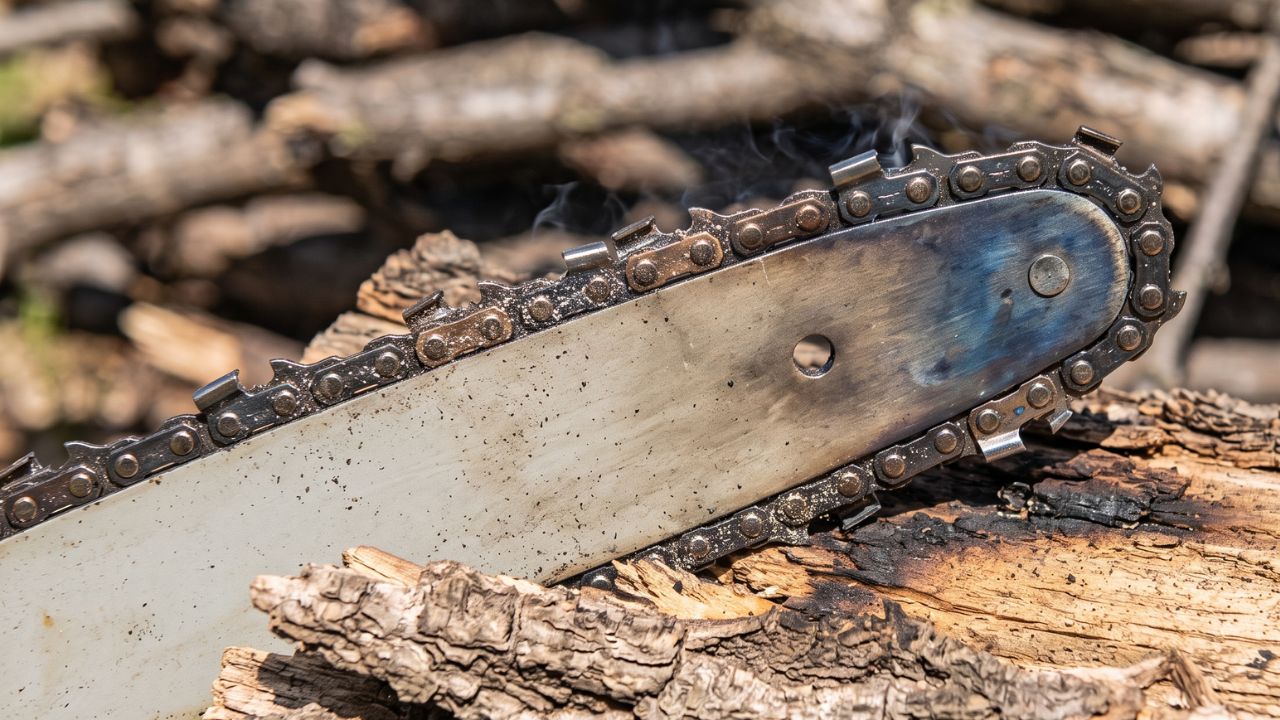
Learning how to oil a mini chainsaw was a hard and expensive lesson for me. I bought my first six-inch battery saw for yard work and immediately started hacking away at overgrown oak branches. Within twenty minutes, the chain was smoking, the bar was burning hot to the touch, and the motor sounded terrible. I ruined the chain on day one because I assumed it oiled itself like my big gas-powered tools.
It turns out, most of these handy little tools need manual lubrication to survive. Friction is the absolute enemy of any power tool. Today, I want to show you exactly what I do to keep my chainsaws running cool and cutting fast. It takes less than a minute of your time, but it saves you money, prevents motor burnout, and stops a lot of unnecessary frustration in the yard.
Why Your Mini Chainsaw Needs Oil
Every time you pull the trigger, bare metal grinds against bare metal. The chain spins around the steel guide bar at incredibly high speeds. Without a slick, wet barrier between those moving parts, the friction creates massive heat.
Heat destroys the factory temper of the metal. It dulls your sharp cutting teeth faster than anything else. I learned this the hard way when my first chain got so hot it warped and stretched out. No matter how much I turned the tension screw, the chain would not stay tight. Oil acts as a vital cooling agent. It also traps and clears out sticky tree sap and raw wood dust from the bar groove, keeping the track clean.
| Symptom | Likely Cause |
| Chain pops off the bar often | Metal stretched due to extreme heat |
| Smoke coming from the wood | Friction from dry metal burning the wood |
| Chain sags after two cuts | Overheating causing rapid chain expansion |
Finding Out If You Have An Auto-Oiler
Before you start dripping oil everywhere, take a close look at your saw. Some newer, premium models have a small built-in oil tank. However, most standard four-inch and six-inch budget saws do not have this feature.
Look near the handle for a little clear plastic bubble or a small screw cap. If you see one, you have an auto-oiler. You just fill it up, press the primer bulb a few times, and let the saw do the work. I recently talked about the convenience of this feature when sharing my Seesii mini chainsaw review and honest yard thoughts. But if your saw is just a bare metal bar and a plastic safety guard, you are the designated oiler.
What You Need Before You Start
You only need a couple of cheap items. Do not overcomplicate this process. I used to apply oil using a messy shop rag and an old milk jug, which was a terrible and wasteful idea.
Get a dedicated, clean applicator. I highly recommend picking up a small needle-tip squeeze bottle to keep in your tool bag. It makes the job incredibly clean and stops you from pouring too much at once. You will also want a cheap, stiff-bristled brush to wipe away the heavy sawdust before you lubricate.
| Item Needed | Why You Need It |
| Proper bar and chain oil | Protects the metal under high heat |
| Needle-tip squeeze bottle | Controls the exact amount of drops |
| Stiff nylon brush | Cleans out wood chips from the groove |
Step-by-Step: How to Oil a Mini Chainsaw
This is my exact routine every time I go out to trim trees. I do this on my truck tailgate or a simple yard table. It becomes muscle memory very fast once you get the hang of it.
Step 1: Remove the Battery
Never skip this step. The triggers on these small saws are very sensitive. You do not want the saw jumping to life while your fingers are resting on the sharp teeth. Safety always comes first in the yard. Pull the battery out completely and set it aside on your table.
Step 2: Brush Away the Debris
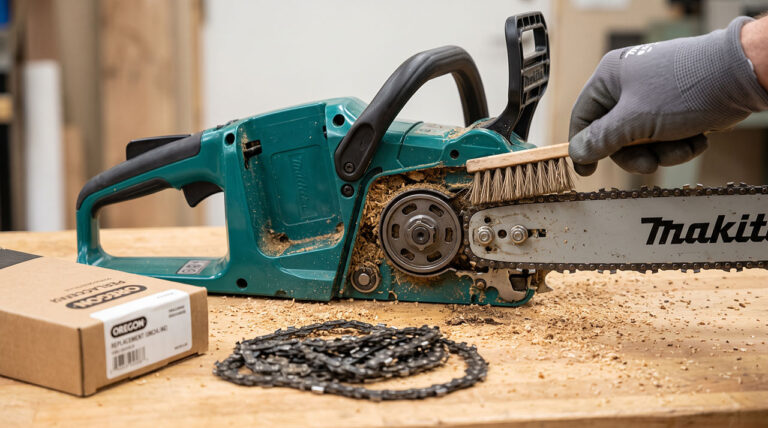
Look closely at the chain. It is probably packed with fuzzy sawdust and sticky green sap. If you squeeze oil right on top of that mess, you just make a thick, useless paste. Use your stiff brush to sweep the top and sides of the bar clean. Pay special attention to the narrow groove where the chain sits.
Step 3: Apply Oil to the Chain
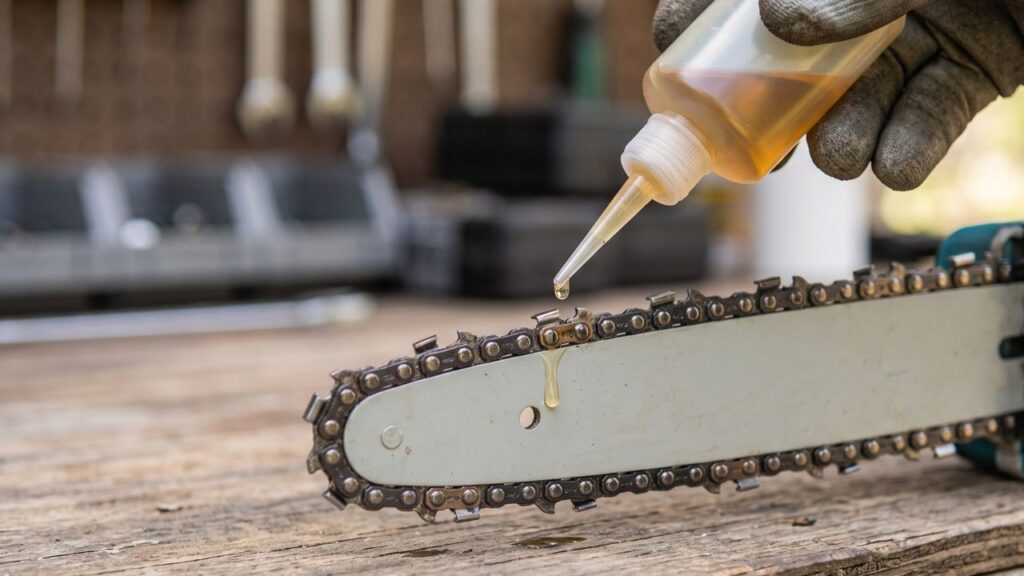
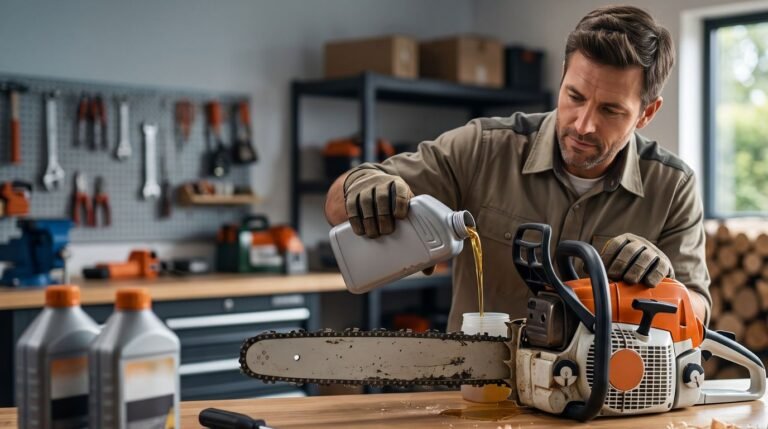
Take your squeeze bottle. Start at the top edge of the guide bar. Squeeze a very thin, continuous line of oil directly onto the top of the chain links. You do not need to drown it. Just a light, even coat is perfectly fine.
Step 4: Rotate the Chain by Hand
Since the battery is safely removed, you can pull the chain around the bar yourself. Grab the top of the chain while wearing leather gloves. Pull it forward toward the tip. This motion pulls the fresh oil down into the bottom groove and around the hidden sprocket. Add a few more drops if the bottom links still look dry.
Step 5: Do a Quick Test Spin
Pop the battery back into the handle. Point the tip of the saw down at a piece of cardboard or a light-colored scrap log. Pull the trigger for exactly two seconds. If you see a tiny, faint line of oil spray onto the cardboard, your chain is perfectly lubricated and ready to cut.
| Manual Oiling Step | What It Achieves |
| Remove battery power | Prevents serious accidental injury |
| Brush away heavy dust | Stops oily sludge buildup in the track |
| Hand-rotate the chain | Spreads lubrication evenly across all links |
The Best Oil for Mini Chainsaws
Neighbors always ask me what kind of oil they should buy. The answer is incredibly simple. Buy actual, dedicated bar and chain oil. It is very cheap and sold by the gallon at every local hardware store.
Bar oil is special because it contains additives called “tackifiers.” This makes the liquid very sticky and stringy. When the chain spins at top speed, normal thin oil just flings right off into the grass. Sticky bar oil clings to the metal exactly where it belongs.
Can You Use Motor Oil?
In an absolute yard emergency, yes. Fresh, clean motor oil works better than cutting dry. However, I absolutely do not recommend it for daily use. It is too thin and flies off the bar much too fast, leaving you unprotected again.
Never Use WD-40
I tried this trick once to save time. WD-40 is a solvent and a rust penetrant, not a heavy-duty mechanical lubricant. It evaporates almost instantly when the metal chain gets hot. It provides zero protection for aggressive wood cutting.
| Oil Type | My Recommendation Level |
| Standard Bar & Chain Oil | Excellent – Use every single time |
| Vegetable or Canola Oil | Okay for pruning live fruit trees |
| WD-40 or Thin Spray Lube | Terrible – Avoid this completely |
How Often Should You Oil the Chain?
This was my biggest point of confusion early on. There is no magic timer or buzzer. It depends entirely on what kind of wood you are cutting and how hard you are pushing the tool.
Dry, dead oak wood soaks up oil incredibly fast and creates fine dust. Green, wet pine branches have their own natural moisture, so your oil coat lasts a little bit longer.
My Personal Oiling Schedule
I oil my saw every single time I change the battery. That is my personal golden rule. If I am doing a lot of heavy, continuous pruning, I stop every fifteen minutes to add a few quick drops. If the chain looks dry and shiny like raw steel, it needs oil right now. If it looks dark, dusty, and slightly wet, you are good to keep cutting.
Signs You Are Not Using Enough Oil
Your saw will complain when it is unhappy. You just have to listen and look closely. I ignored the warning signs at first, and it cost me a perfectly good guide bar.
First, listen to the motor sound. A dry chain makes a terrible, high-pitched screeching noise. It sounds exactly like metal grinding against metal. A properly oiled chain has a much smoother, deeper whirring sound as it cuts.
Second, look at the paint on the bar. If the black paint on your guide bar is peeling off in flakes or turning a burnt brown color, the metal is getting dangerously hot. That is a guaranteed sign you need more lubrication immediately.
Signs You Are Using Too Much Oil
Yes, you can absolutely overdo it. I used to dump a huge puddle of oil onto my saw, thinking more was always better. It just created a giant, slippery mess.
If your saw is dripping thick oil onto your boots while you walk across the yard, you applied too much. If the inside of the plastic sprocket cover is packed tight with a heavy, greasy sawdust sludge, back off on the squeeze bottle. You want a thin protective film, not a dripping wet mess.
| Mistake I Made | Better Approach to Take |
| Pouring from a large gallon jug | Use a small precision squeeze bottle |
| Waiting until the saw smoked | Oil every single time the battery dies |
| Flooding the bar with fluid | Apply a thin line and rotate by hand |
How Oil Affects Battery Life
Here is a hidden benefit nobody talks about. Keeping your chain wet actually extends your battery life.
When a chain is bone dry, it binds up in the wood. The electric motor has to work twice as hard to pull those dry teeth through the log. This massive resistance drains your small lithium battery incredibly fast. When I started oiling my saw properly, I noticed my batteries lasted almost twenty percent longer during my weekend chores. Less friction means less wasted battery power.
Cleaning the Sprocket Cover
Oiling the chain is only half of the maintenance battle. You also have to clean out the drive sprocket area. This is the little metal gear hidden under the plastic side cover that actually spins the chain.
Oil and fine sawdust mix together inside that cover. Over a few weeks, it turns into a hard, dense crust. I make it a habit to take that plastic cover off after every major yard work session. I just scrape the thick gunk out with a flathead screwdriver. If you let it build up too much, it will choke the motor and stretch your chain.
Cold Weather Oiling Tips
I live in a place where late fall and winter get very cold. Bar oil reacts poorly to freezing temperatures. It gets incredibly thick, turning into something resembling cold pancake syrup.
When oil gets that thick, it does not spread across the chain links very well. If you are cutting storm branches in the dead of winter, keep your bottle of oil inside the warm house until the exact moment you need it. Warm oil flows so much better. Some brands even sell a specific “winter weight” bar oil which is formulated to stay thin in the cold.
| Weather Condition | How the Oil Behaves |
| Hot Summer Day | Flows very fast, flings off much easier |
| Freezing Winter | Thickens up heavily, very hard to spread |
| Rainy or Wet | Washes off slightly, requires frequent checks |
Storing Your Mini Chainsaw After Oiling
Do not just throw a freshly oiled saw into a cardboard box in the garage. The oil will eventually seep down and completely ruin the box, your wooden shelf, or your clean workbench.
I learned to wrap the bar lightly in a heavy rag or an old shop towel. You can also buy cheap plastic bar scabbards online. Always store the saw lying flat on its side. If you hang it vertically by the handle on a pegboard, gravity will pull the leftover oil down the bar, and it will slowly drip onto your garage floor for weeks.
The Truth About “Self-Lubricating” Chains
Sometimes you will see clever marketing text claiming a budget saw comes with a “self-lubricating” chain. Do not fall for this trick. It is highly misleading.
There is no such thing as a metal chain that miraculously creates its own oil out of thin air. They usually just mean the metal is coated in something slick like Teflon from the factory. That thin coating wears off in the first five minutes of real wood cutting. You still have to add liquid oil manually to protect the tool. Always trust your eyes, not the marketing text on the box.
Final Thoughts
Learning how to oil a mini chainsaw takes a little bit of patience at first, but it becomes second nature very quickly. It is honestly the single most important habit you can develop to keep your handheld tool running smoothly and safely. I ruined my first chain by completely ignoring this step, but my current saw has lasted over two years with zero mechanical issues simply because I keep the metal wet.
Just grab a small needle-tip bottle, use real, sticky bar oil, and make it a habit to check the chain every time you swap out a dead battery. If you follow those simple, real-world rules, your yard work will go much faster, your cuts will be cleaner, and your battery will last a lot longer. Happy cutting, and stay safe out there in the yard.